

Join a Sober Experience!
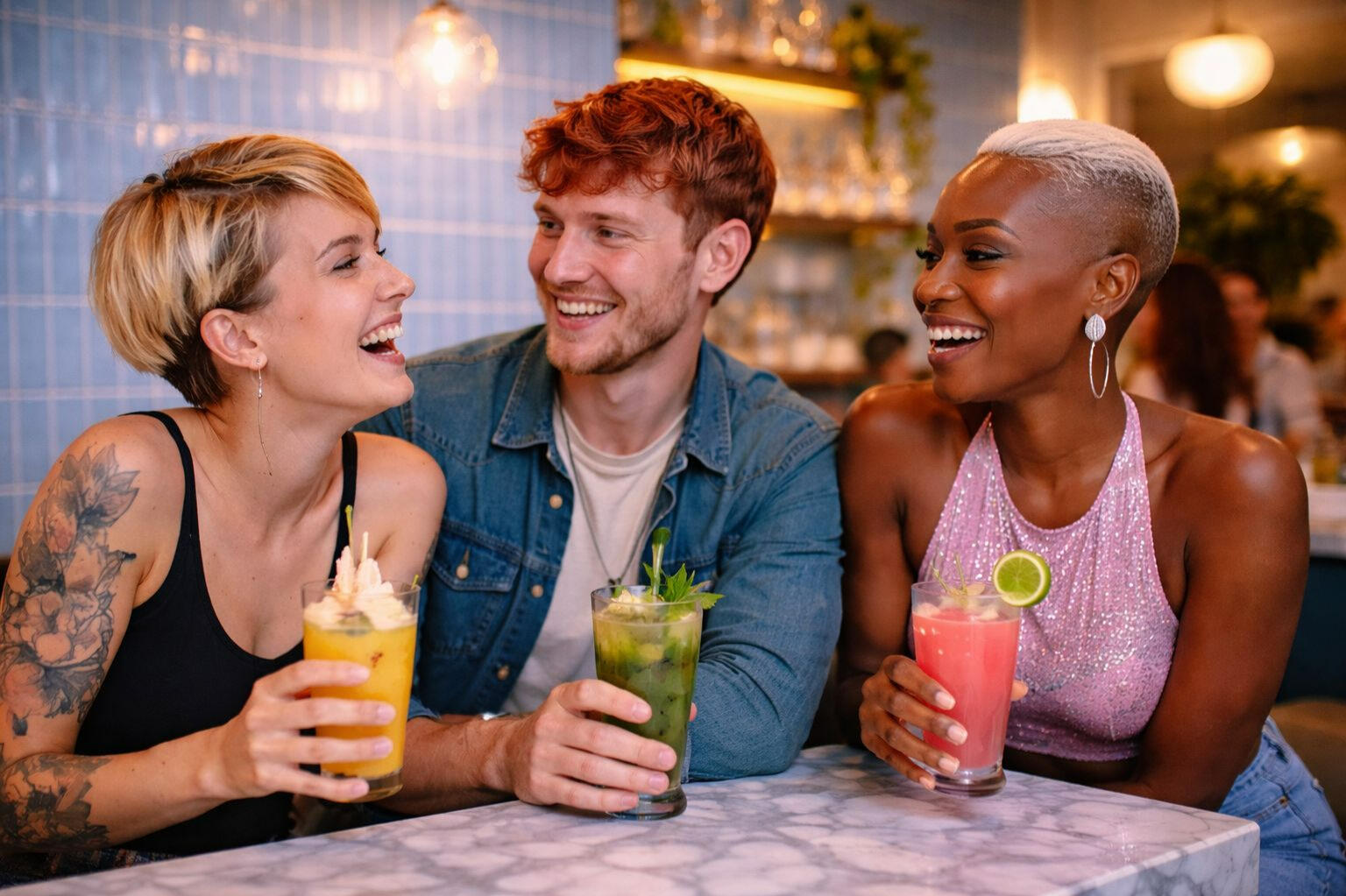
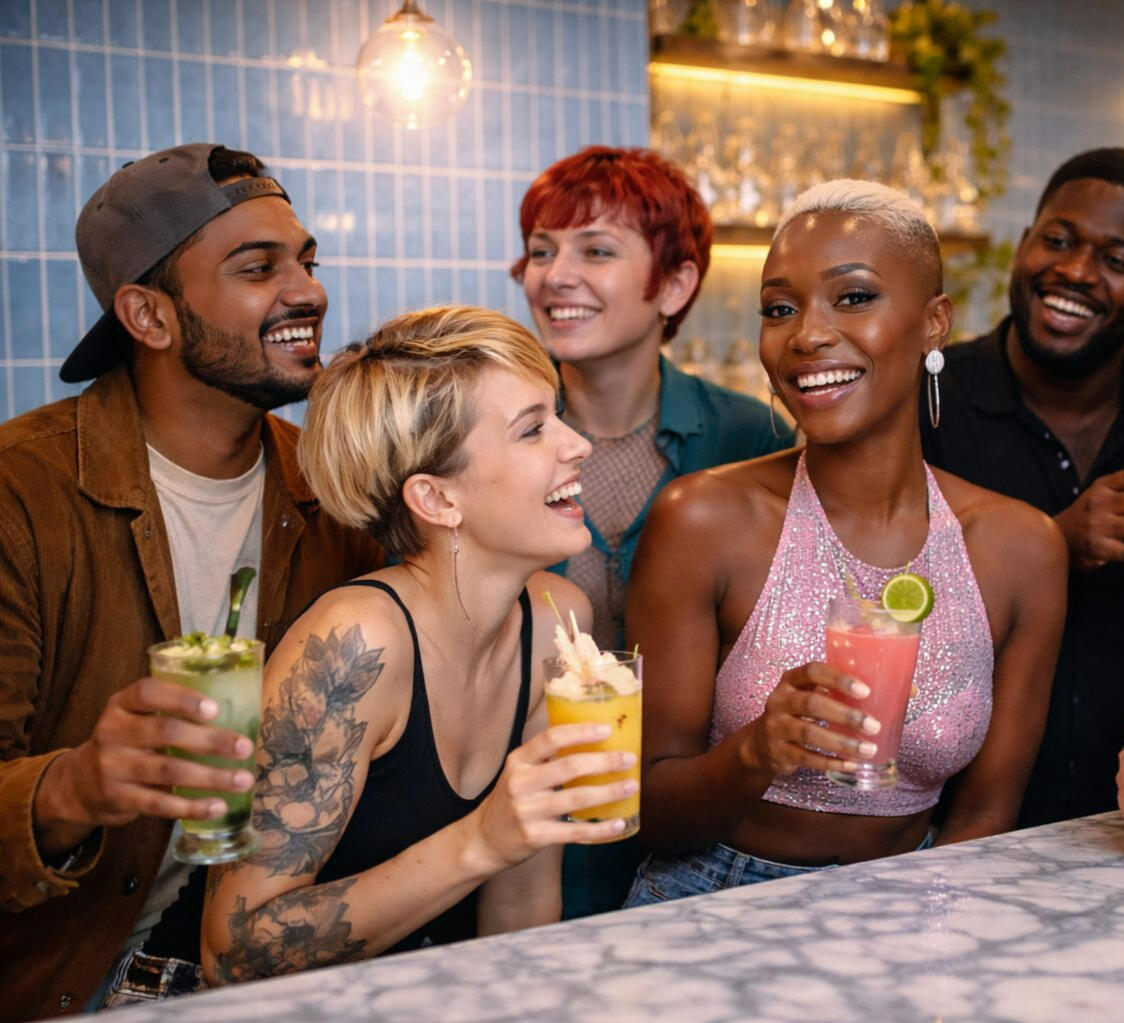
We're an alcohol-free social space for the sober and sober-curious — a place to connect, socialise, and feel part of something without pressure to drink.Through our relaxed pop-up events we host meet-ups, creative events, and community walks, we’re building welcoming spaces around London where people can feel connected, supported, and never alone.
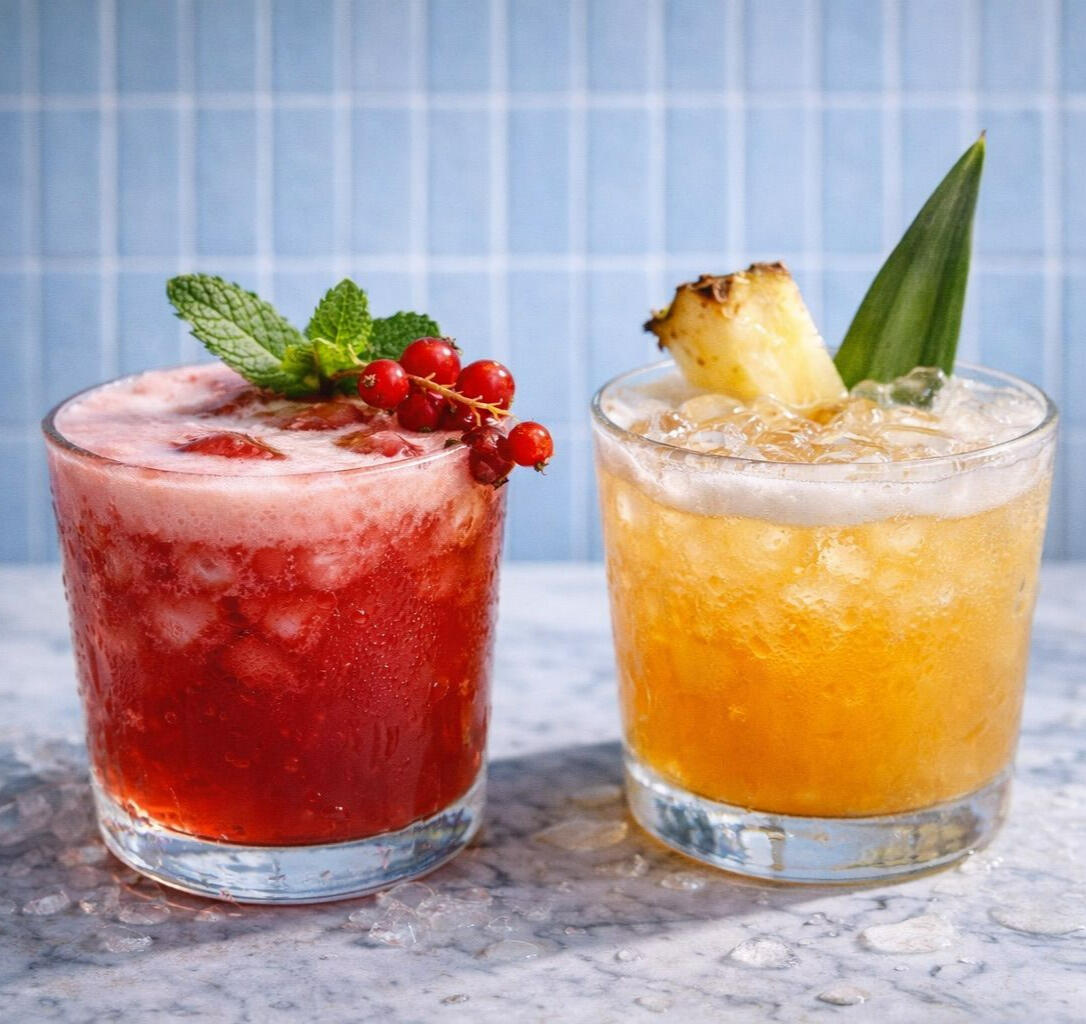
Shake Up Your Own 0% Drinks
Explore a world of alcohol free creativity. We're sharing our free recipes so you can craft delicious sober drinks at home.Join us in mixing up something special.
Plan Your Event With Us
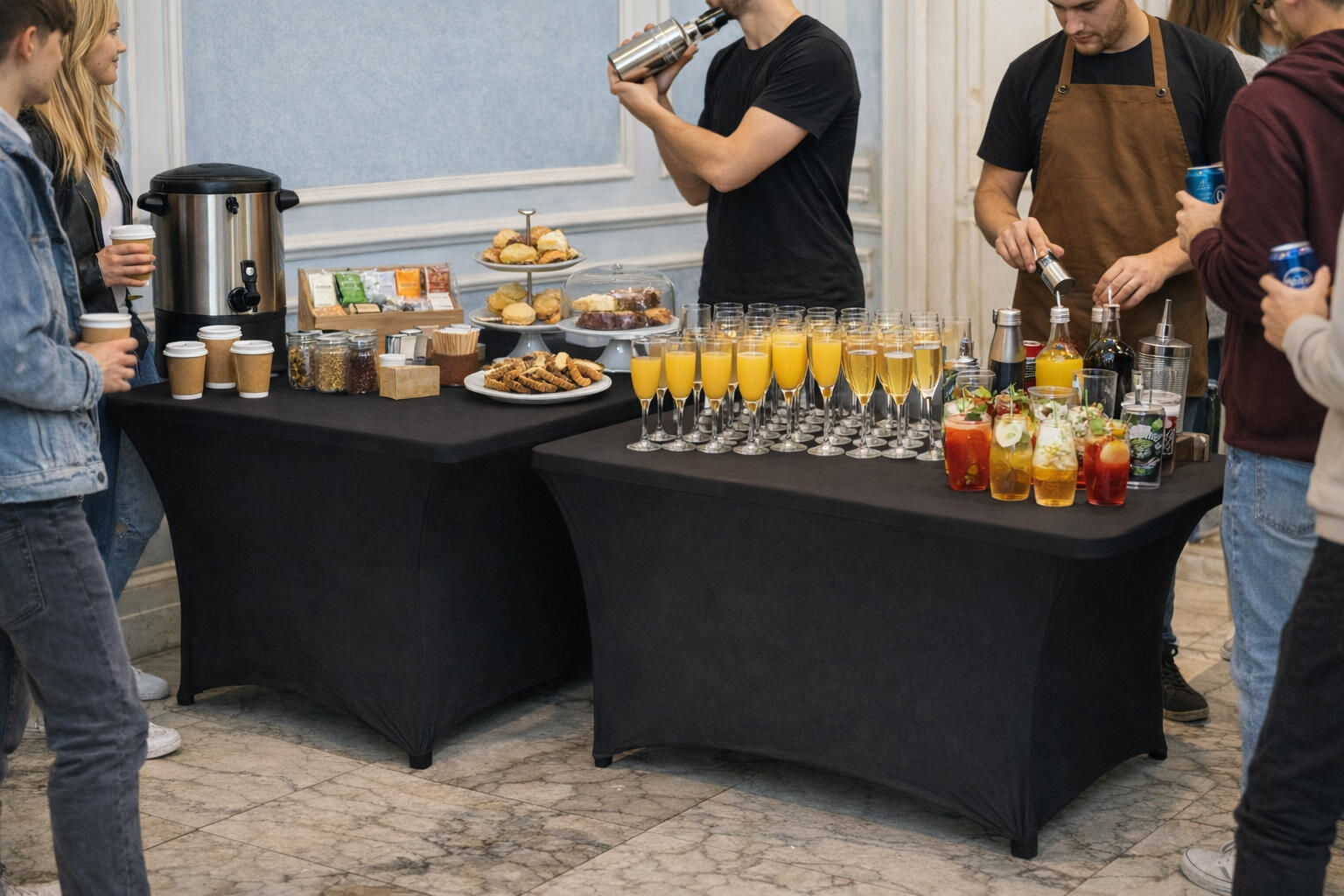
Looking to elevate your event with something unique?We’ll bring our pop-up sober bar to your space, serving crafted alcohol-free drinks while you focus on what you do best. Let’s create an unforgettable, inclusive experience—no alcohol needed!

We welcome both the sober-curious and those already sober, creating vibrant alcohol-free experiences that make choosing sobriety feel empowering and social.

We’re building a powerful foundation of support to reduce loneliness and foster mental wellbeing, so everyone can truly feel connected and fully supported.

London’s newest LGBTQ+ sober pop-up bar, we warmly welcome all—whether you’re a parent, part of a faith community, or simply seeking a joyful alcohol-free space to connect.
Highlights from Our Events
Our previous events showcase the heart of our community — bringing people together through alcohol-free socials, creative activities, and community walks that foster connection, wellbeing, and belonging.

Join Our Volunteer Program
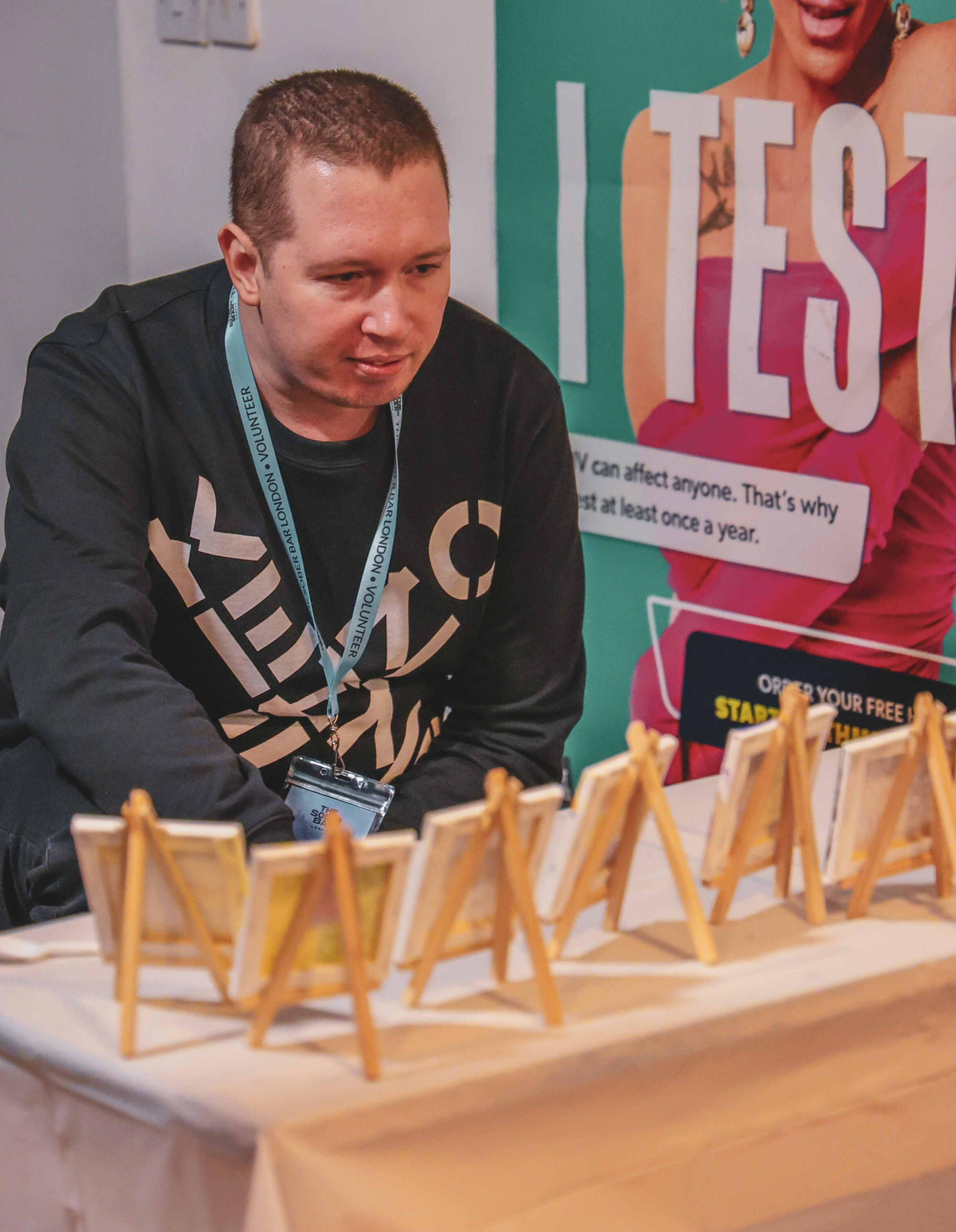
Rebuild your confidence, one event at a time! Volunteer with us, gain skills in hospitality, connect with a supportive community, and help create amazing sober events. Whether you’re looking to step back into work or just want to give back, we’ve got a place for you.
The skills Academy
Coming Soon…
Your Pathway Into Hospitality. Building Skills. Creating Opportunity.
Our first Skills Academy programme is launching soon. Sign up to be the first to hear about training dates, opportunities, and community events.The Skills Academy by Sober Bar London supports people to build confidence, gain real hospitality experience, and achieve accredited qualifications. Through training, pop-up bar placements, and community partnerships, we help individuals develop the skills, experience, and references needed to become employment-ready.
Stay connected
Join our mailing list for upcoming events, community updates, and alcohol-free experiences across London.

Build Your Foundation
Learn Skills & Grow Confidence
The Skills Academy begins by building your core hospitality skills. Through supportive training, you develop barista knowledge, customer service, teamwork, and confidence. No experience needed — just willingness to learn and grow in a safe, supportive environment.
Learn By Doing
Gain Real Work Experience
Put your skills into practice. Through real community pop-up sober bar experiences, participants move beyond theory and gain hands-on, practical exposure in supportive, real-world environments. You will work alongside a team, engage with the public, serve customers, and develop essential hospitality and communication skills while contributing to meaningful community events.This stage focuses on building confidence through action. Participants learn how to interact professionally, manage responsibilities, work collaboratively, and respond to real-life situations in a calm and positive way. You will gain experience in customer service, teamwork, time management, and practical service delivery, all within a welcoming, alcohol-free setting that prioritises inclusion and personal growth.By participating in live community events, you begin to see your progress in real time — developing confidence, strengthening social skills, and gaining the kind of practical experience often required for employment in hospitality, retail, and customer-facing roles. This experience also helps build independence, resilience, and self-belief.This stage provides valuable, meaningful experience that can be added to your CV, supports future job applications, and helps open pathways into volunteering, further training, or employment. Most importantly, it empowers you to recognise your own capabilities and grow within a supportive and encouraging environment.
Turn Skills Into Opportunity
Achieve Qualifications & References
Participants will complete accredited barista training, gaining recognised certification that demonstrates practical skills and industry knowledge. This qualification provides credible proof of competence and strengthens employment prospects within hospitality and customer-facing sectors.Alongside formal certification, participants receive a professional reference reflecting their practical experience, teamwork, reliability, and customer service abilities developed through real community pop-up events. Ongoing mentoring and guidance are available to support next steps, whether applying for jobs, pursuing further training, or building confidence for interviews.By the end of the programme, participants leave not only with a recognised qualification, but with hands-on experience, improved communication skills, stronger self-belief, and tangible evidence of their abilities. They are equipped with both the practical skills and personal confidence needed to move forward into the hospitality industry and beyond.
Free Training.
Real Experience.
A Way Forward.
Gain Recognised Qualifications and Career-Ready Confidence
Participants will complete accredited barista training, gaining recognised certification that demonstrates practical skills and industry knowledge. This qualification provides credible proof of competence and strengthens employment prospects within hospitality and customer-facing sectors.Alongside formal certification, participants receive a professional reference reflecting their practical experience, teamwork, reliability, and customer service abilities developed through real community pop-up events. Ongoing mentoring and guidance are available to support next steps, whether applying for jobs, pursuing further training, or building confidence for interviews.By the end of the programme, participants leave not only with a recognised qualification, but with hands-on experience, improved communication skills, stronger self-belief, and tangible evidence of their abilities. They are equipped with both the practical skills and personal confidence needed to move forward into the hospitality industry and beyond.
To ensure participants benefit fully from the programme and that support is directed to those who need it most, the following criteria apply:EligibilityApplicants should:Be 18 years or olderBe currently unemployed, economically inactive, or seeking to return to workBe in receipt of benefits such as Universal Credit, or experiencing financial or employment barriersBe interested in building skills and confidence for employment within hospitality or customer-facing rolesHave lived experience of alcohol misuse, recovery, addiction, or be on a sober or sober-curious journey (self-declared, no proof required)Be willing to learn in a supportive, alcohol-free environmentParticipation RequirementsParticipants must:Commit to actively engaging throughout the full programmeAttend scheduled sessions and community pop-up training events where possibleParticipate respectfully and contribute to a safe, inclusive learning environmentEngage with training, mentoring, and practical learning opportunitiesCommunicate with programme staff if support is needed or attendance changesBe open to building confidence, developing skills, and progressing toward employment or further opportunitiesReferralsParticipants may join through:Self-referralCommunity organisations and charitiesEmployment support servicesRecovery and wellbeing networks

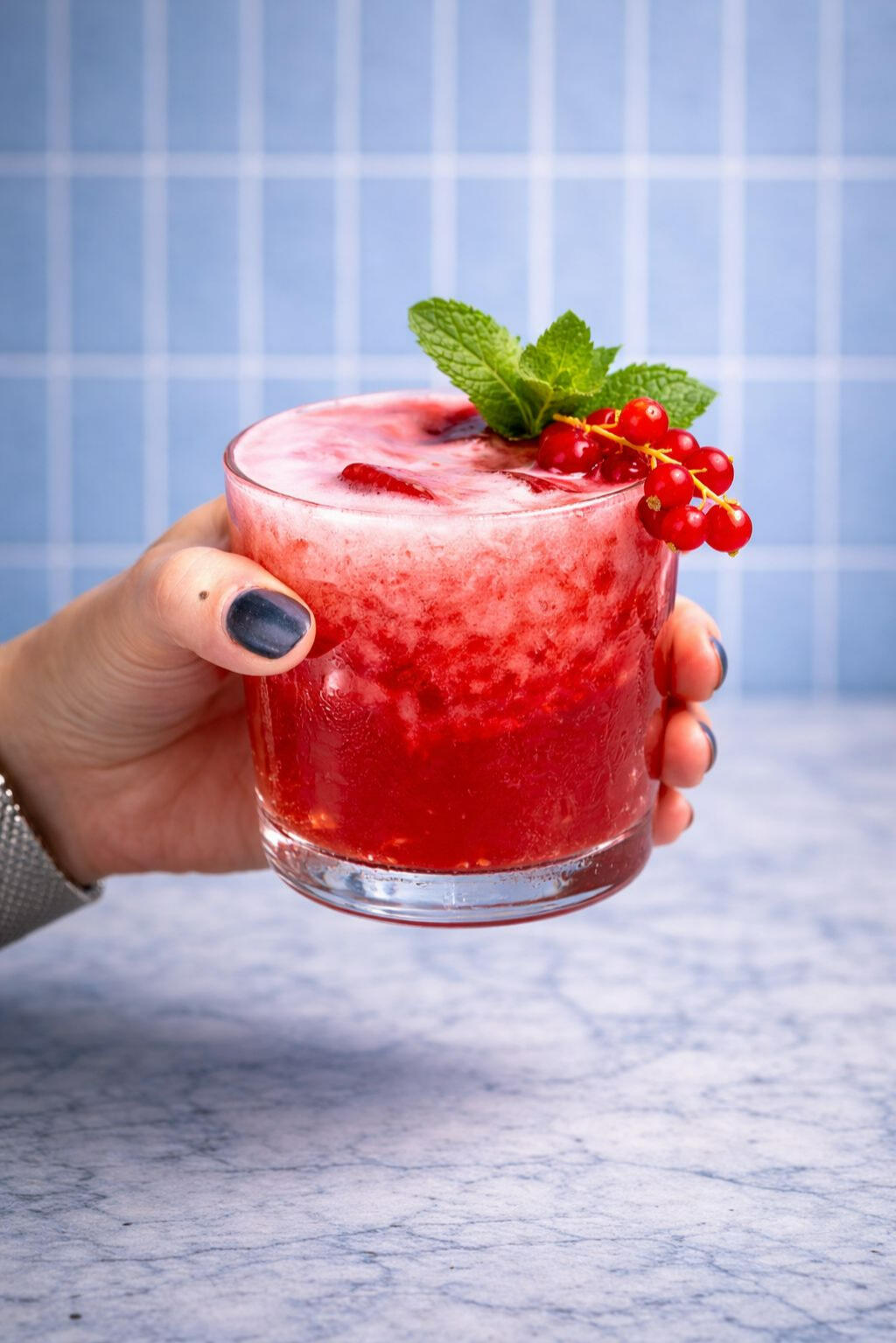
Haus of cran
Haus of Cran is a refined, alcohol-free cranberry spritz — vibrant, lightly sparkling, and beautifully balanced. Tart cranberry meets soft orange citrus, lifted by warming ginger and fresh mint. Elegant enough for a sober bar, simple enough to make at home.Perfect for:
Sober bars • Dinner parties • Alcohol-free nights • Signature menu drinks
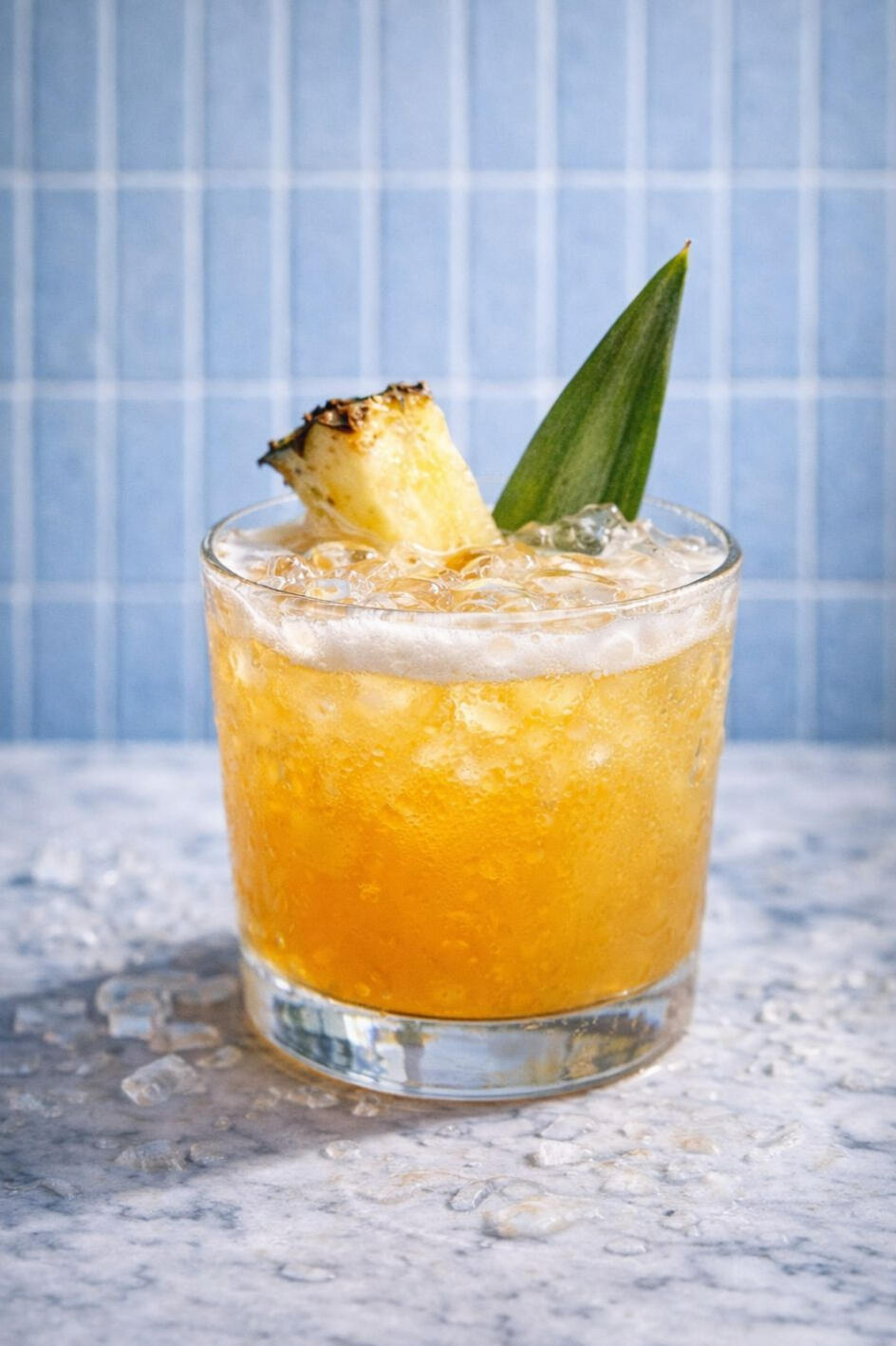
PINEAPPLE PARADISO
Pineapple Paradiso is a radiant, alcohol-free tropical spritz — smooth, sunlit, and refreshingly soft. Juicy pineapple blends with gentle coconut, lifted by bright lime and sparkling bubbles. Beachy, playful, and proudly vibrant. Elegant for sober bars, effortless to make at home.*Perfect for:
Pride parties • Sober bars • Summer nights • Signature tropical menus

Ruby Red
Ruby Red is a bold, mood-enhancing alcohol-free spritz — vibrant, confident, and effortlessly smooth. Lush raspberry meets bright citrus, lifted by crisp lime and delicate sparkling bubbles. Juicy, expressive, and unapologetically radiant. Refined for sober soirées, striking yet simple to craft at home.*Perfect for:
Pride parties • Sober bars • Date nights • Signature berry menus
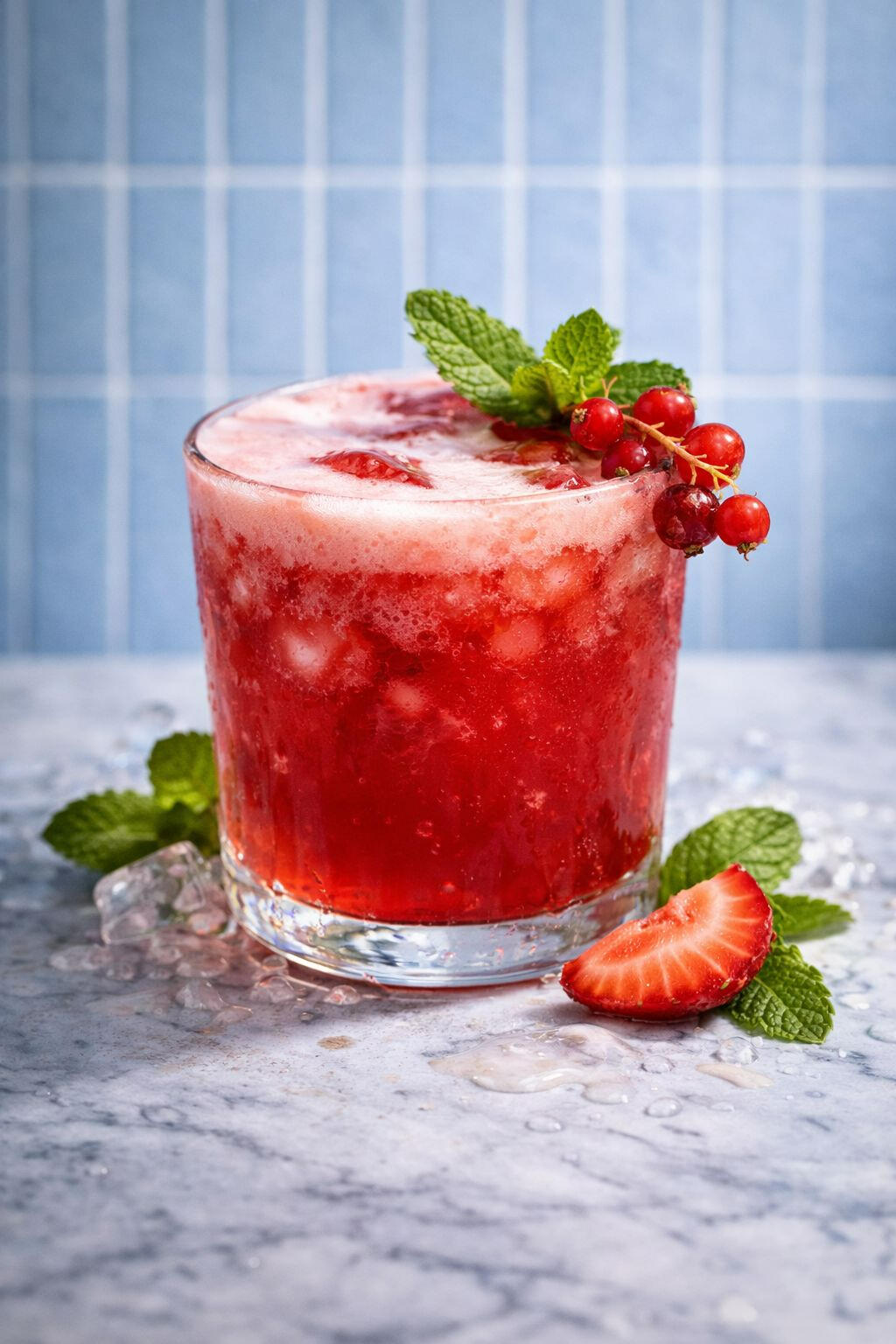
hAUS OF CRAN
Non-Alcoholic Cocktail Recipe
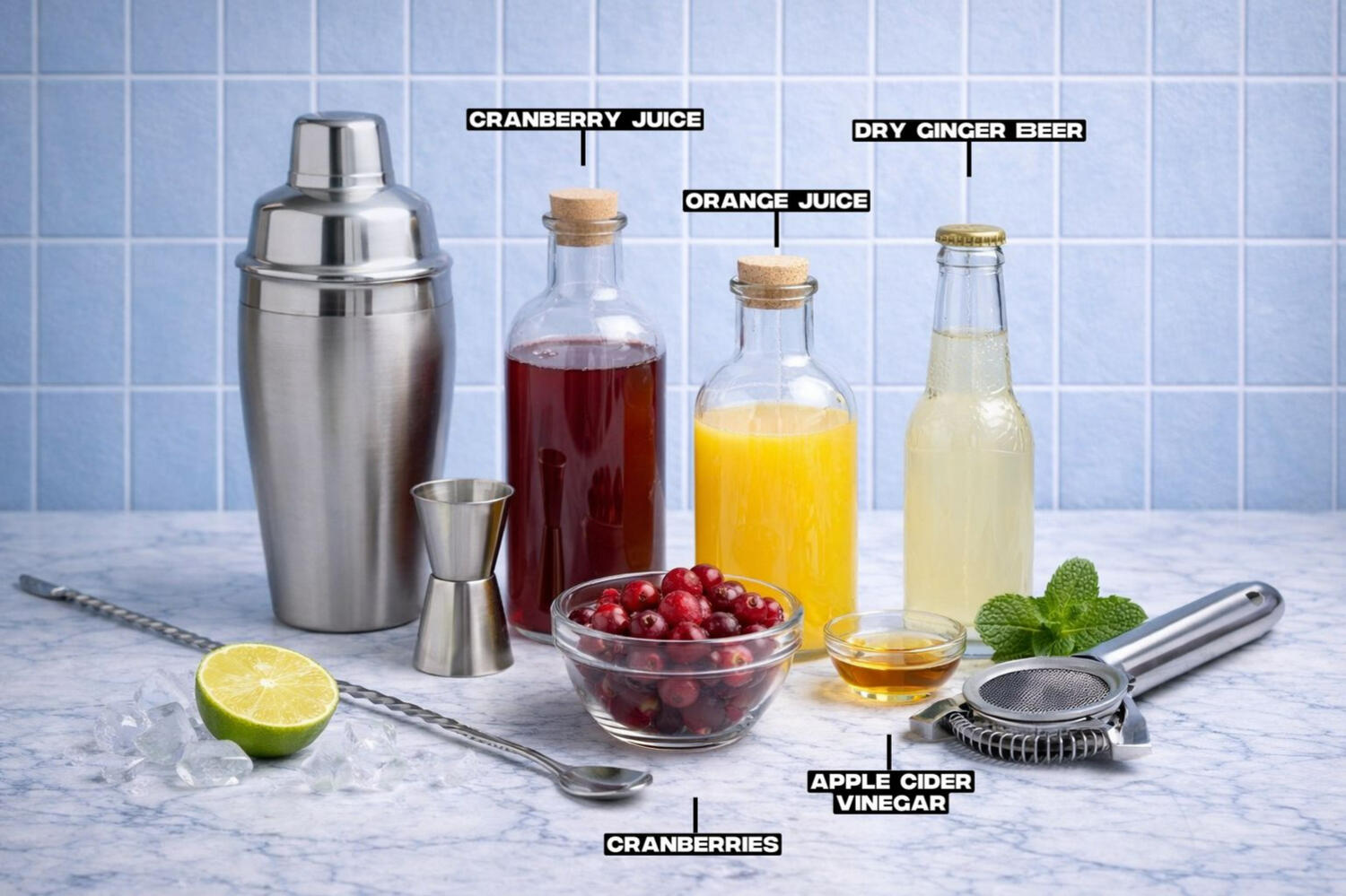
Ingredients (1 Serving)
• 60 ml Cranberry Juice
• 30 ml Fresh Orange Juice
• 90 ml Dry Ginger Beer
• 1 tsp Apple Cider Vinegar
• Handful Fresh Cranberries
• Ice
• Fresh Mint (garnish)
• Optional: 1 tsp Honey / Sugar Syrup (for sweetness)Equipment
• Cocktail shaker (or jar with lid)
• Measuring jigger / small cup
• Spoon / bar spoon
• Strainer (optional)
• Rocks glass / tumbler
Method — Step by Step1. Chill the GlassFill your serving glass with ice and set aside.2. Mix the BaseIn a shaker add:
Cranberry juice • Orange juice • Apple cider vinegar • Optional sweetener
Add ice and shake for 10–15 seconds.3. Prepare the GlassDiscard the ice from your glass and add fresh ice.4. PourStrain (or carefully pour) the mixture into the glass.5. Add SparkleTop with dry ginger beer.
Gently stir once.6. GarnishAdd fresh cranberries and a mint sprig.
(Optional: small squeeze of lime)⸻Taste ProfileBright → Citrus → Gentle Ginger Warmth → Clean Refreshing Finish⸻Bar Serving Tips
• Use clear ice for a premium look
• Lightly slap mint before garnish for aroma
• Sugar rim for a festive version
• Add rosemary for a winter menu twist⸻VariationsSweeter: Add more orange juice or honey
Sharper: Extra apple cider vinegar or lime
Spicier: Use strong ginger beer
Luxury: Add orange peel twist
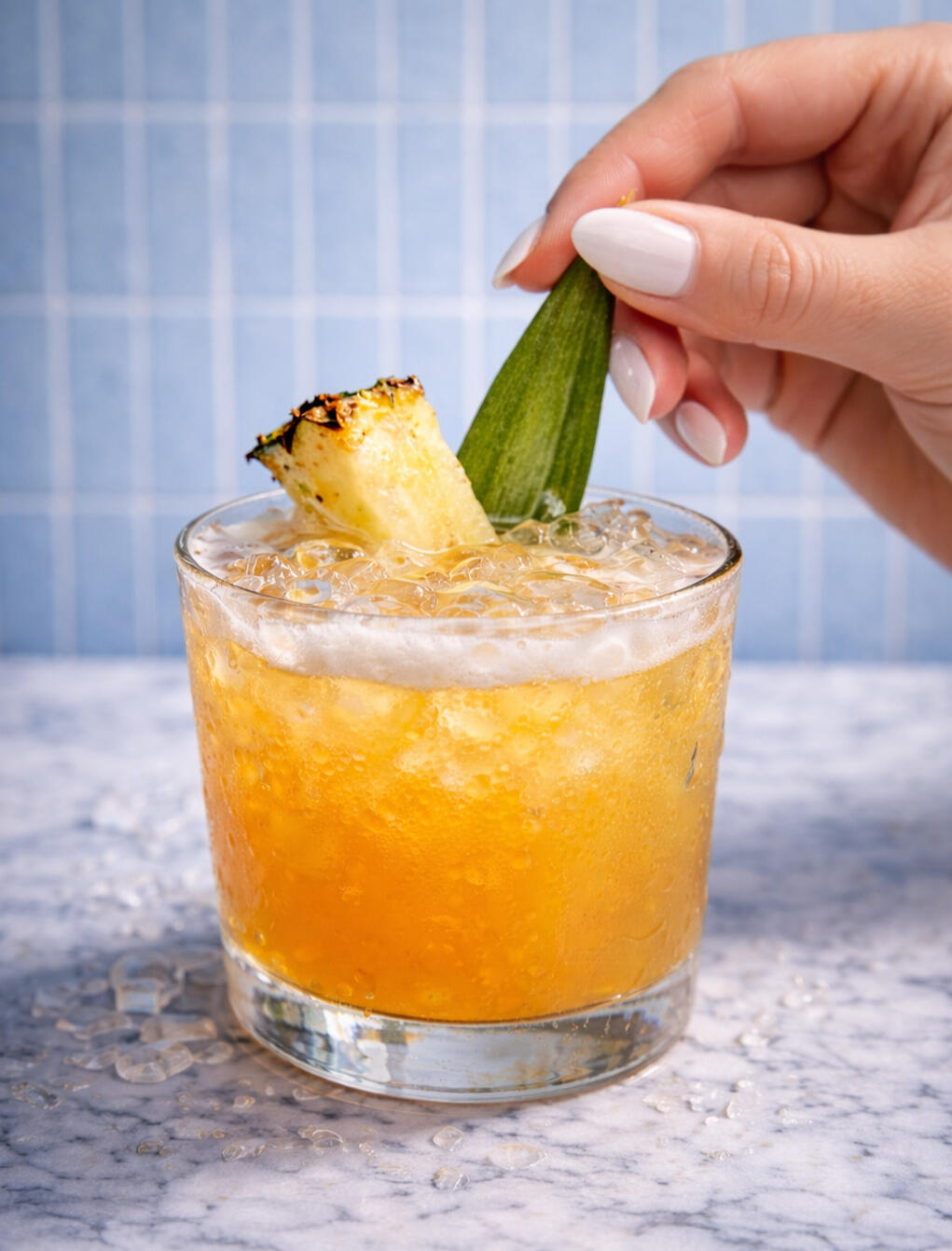
PINEAPPLE PARADISO
Non-Alcoholic Cocktail Recipe
Ingredients (1 Serving)
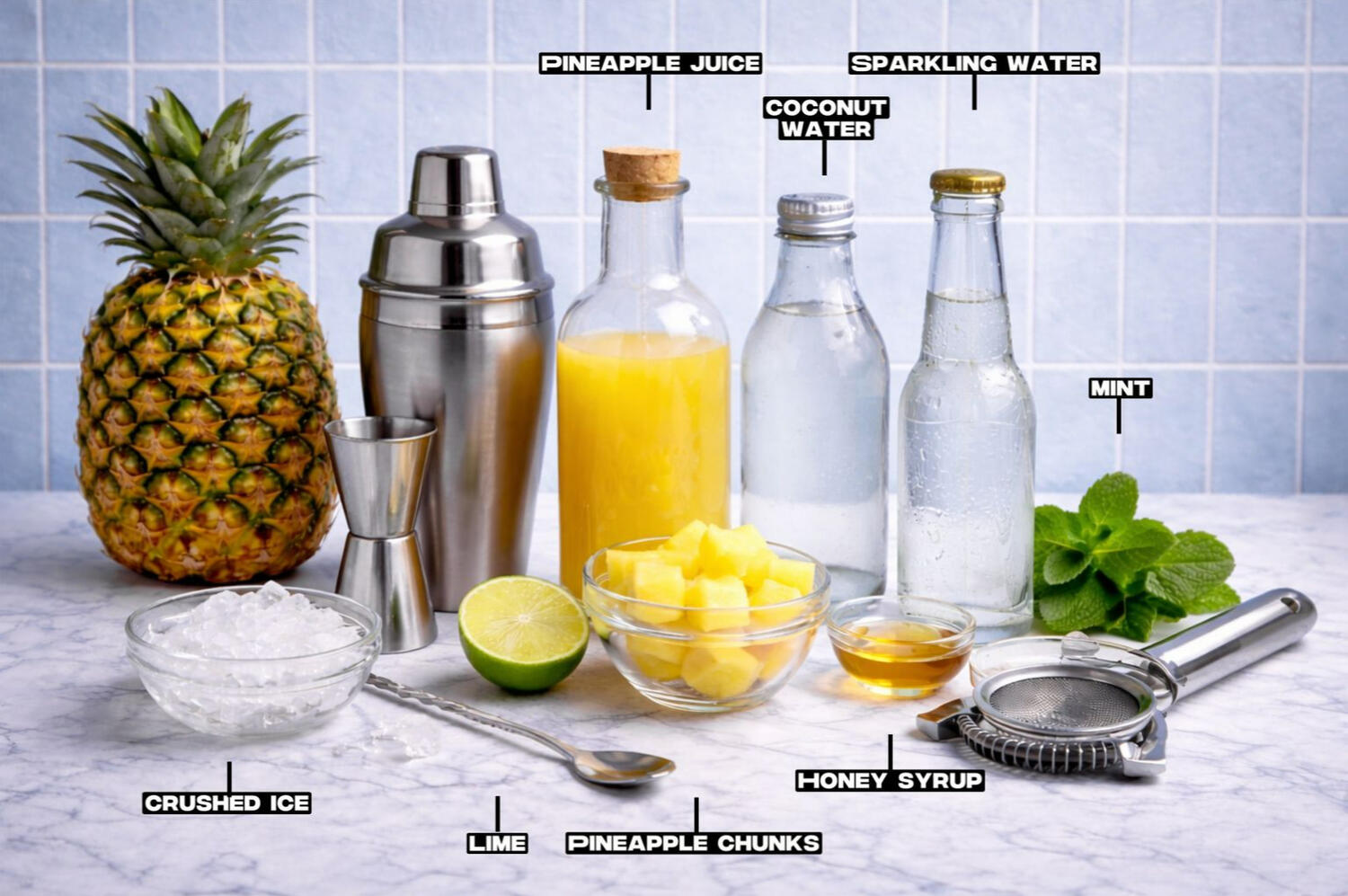
• 90 ml Pineapple Juice
• 45 ml Coconut Water (or coconut milk for creamier)
• 30–60 ml Sparkling Water
• 10 ml Fresh Lime Juice
• 1 tsp Honey / Sugar Syrup (optional)
• Pineapple Wedge or Chunk
• Pineapple Leaf (optional, for garnish)
• IceEquipment
• Cocktail shaker (or jar with lid)
• Measuring jigger / small cup
• Spoon / bar spoon
• Strainer (optional)
• Rocks glass / tumbler
Method — Step by Step1. Chill the Glass
Fill your serving glass with ice and set aside.2. Mix the Base
In a shaker add:
Pineapple juice • Coconut water • Lime juice • Optional sweetener
Add ice and shake for 10–15 seconds.3. Prepare the Glass
Discard the ice from your glass and add fresh ice.4. Pour
Strain (or carefully pour) the mixture into the glass.5. Add Sparkle
Top with sparkling water.
Gently stir once.6. Garnish
Add pineapple wedge and pineapple leaf.
(Optional: light squeeze of lime)⸻Taste ProfileTropical Sweet → Soft Coconut → Bright Citrus → Light Sparkling Finish⸻Bar Serving Tips• Use crushed ice for a fresh tropical look
• Shake well for a smooth texture
• Add toasted coconut rim for a luxury version
• Chill glass beforehand for best flavour⸻VariationsCreamier: Use coconut milk instead of coconut water
Fresher: Add mint leaves while shaking
Sweeter: Extra honey / syrup
Sharper: More lime juice
Luxury: Add vanilla drop or coconut cream foam
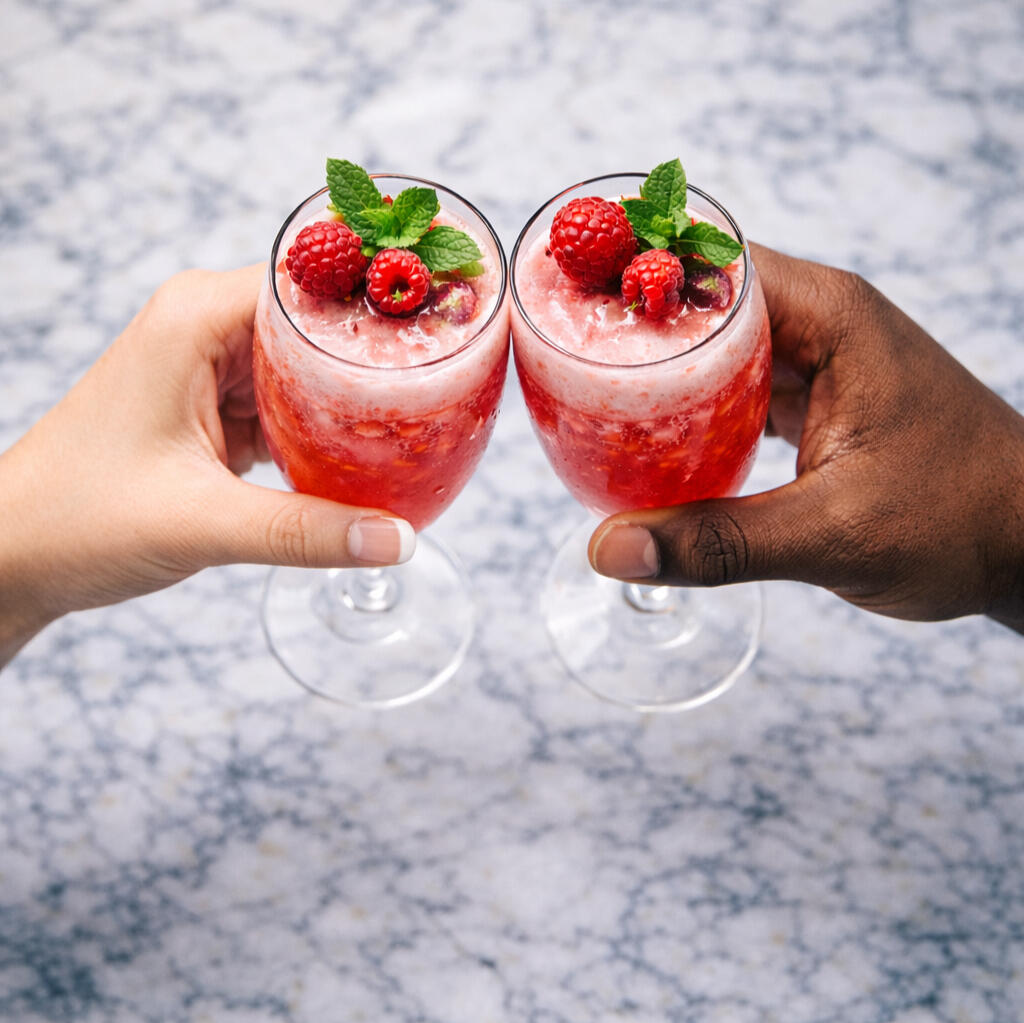
Ruby Red
Non-Alcoholic Cocktail Recipe
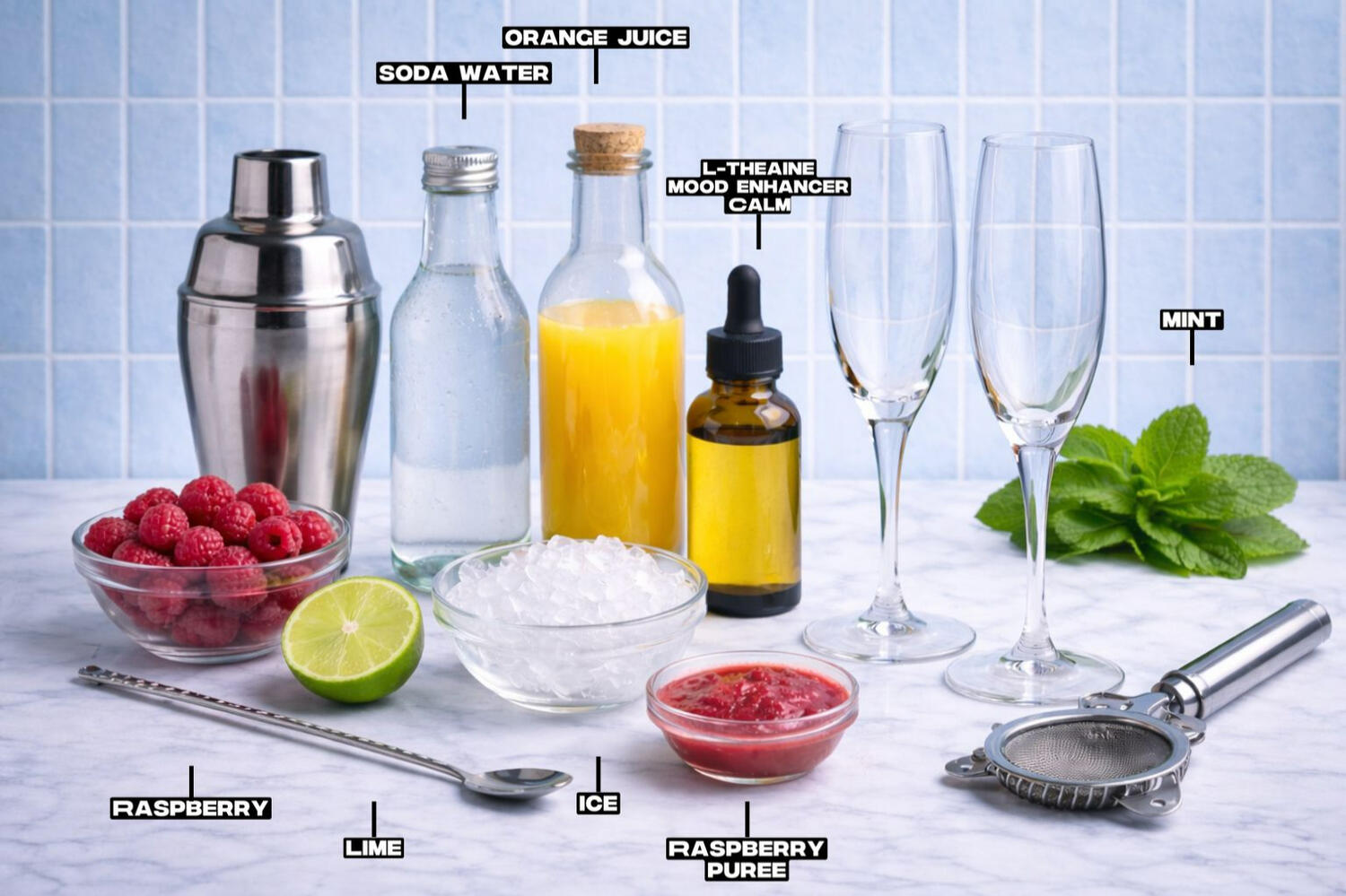
Ingredients (2 Serving)• 60 ml Raspberry Purée
• 60 ml Fresh Orange Juice
• 30 ml Sparkling Water
• 10 ml Fresh Lime Juice
• 5 ml Honey / Sugar Syrup (optional)
• 2 drops Alcohol-Free L-Theanine Liquid (calm mood enhancer)
• 2–3 Fresh Raspberries
• Small Mint Sprig
• IceEquipment• Cocktail shaker
• Measuring jigger
• Bar spoon
• Fine strainer
• 2 Champagne flutes
Method — Step by Step1. Chill the Flutes
Fill both flutes with ice and set aside.2. Mix the Base
In a shaker add:
Raspberry purée • Orange juice • Lime juice • Optional sweetener
Add ice and shake for 15 seconds.3. Prepare the Glasses
Discard the ice from both flutes.4. Pour
Strain evenly into the flutes, filling about ¾ full.5. Add Sparkle & Mood Boost
Top with sparkling water.
Add 2 drops Alcohol-Free L-Theanine liquid.
Gently stir once.6. Garnish
Float fresh raspberries on top and add a mint sprig.Taste ProfileJuicy Raspberry → Bright Citrus → Crisp Lime → Light Sparkle → Smooth Calm FinishWhat the Mood Enhancer DoesL-Theanine supports:
• Calm confidence
• Reduced stress
• Relaxed clarity
• No drowsinessPerfect for:
• Social events
• Pre-party nerves
• Creative evenings
• Alcohol-free nights out

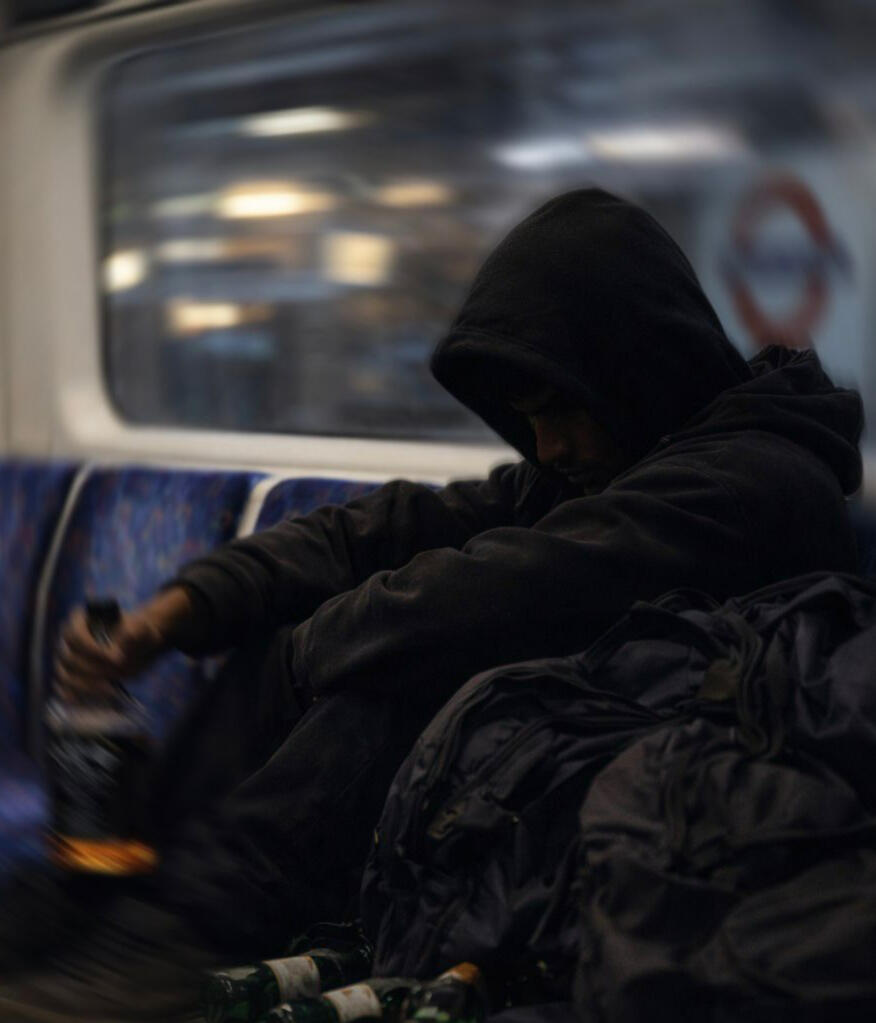
'it started from the street'
the founder
It didn’t begin with a business idea — it began with being lost. At 19, estranged and without a place to belong, survival became my only focus. Alcohol and drugs were not escape, but a way to endure the instability around me. Yet the hardest part was not the struggle — it was the loneliness. Feeling invisible, disconnected, and without community changed everything. From that darkness came a realisation: no one should feel alone just to survive.This is how The Sober Bar London began — Read more about the founder’s journey and how pain became purpose.
Lived Experience: LGBTQ+ Homelessness
This is a story of lived experience — raw, personal, and real. At 19, the founder Foyez Jitu experienced LGBTQ+ homelessness, facing estrangement, instability, and isolation. Survival meant navigating loneliness, alcohol, and drugs in environments without safety or support. Beneath it all was a deeper struggle — invisibility, disconnection, and the loss of belonging. In 2022, this story was documented in a Virgin Radio podcast created by David Carlisle.
Featured alongside The Graham Norton Show, it sheds light on the reality of LGBTQ+ homelessness.Listen to the documentary below and hear the story in the founder’s own words.
Who are we?
The Sober Bar London is a Community Interest Company (CIC) and social enterprise creating alcohol-free social spaces for the LGBTQI+ community.We exist to address loneliness, social isolation, and the lack of inclusive spaces that don’t revolve around alcohol. For many LGBTQI+ people, pubs and bars have long been places of safety, connection, and culture — but when alcohol becomes the centre, those spaces can also become inaccessible.
Our Mission
Bringing people together, soberly.
Our mission is to reduce loneliness and support mental wellbeing within the LGBTQI+ community by creating inclusive, alcohol-free social spaces that are rooted in connection, culture, and belonging.We aim to achieve this by reclaiming and reactivating vacant or underused pub buildings, preserving their role as community hubs while reimagining them for contemporary social needs. British pubs — and LGBTQI+ bars in particular — have long served as important sites of connection, heritage, and cultural life. As many of these spaces close or remain unused, communities lose places to gather.
Through this approach, The Sober Bar London supports:• Reduced loneliness and social isolation.• Improved access to inclusive leisure and cultural activity.• Stronger community cohesion across diverse LGBTQI+ identities, cultures, and backgrounds.• Preservation of social heritage through adaptive reuse of pub spaces.• Participation in arts, culture, food, and sport within alcohol-free environments.
The project does not provide clinical or therapeutic services. Its contribution to wellbeing is preventative and community-based, centred on social connection, routine, creativity, and shared space.
why we exist...
we are starting with people, not premises.
For many LGBTQI+ people, pubs and bars have long been places of safety, connection, and belonging. They’re where friendships form, culture grows, and people find community.
see who's behind this
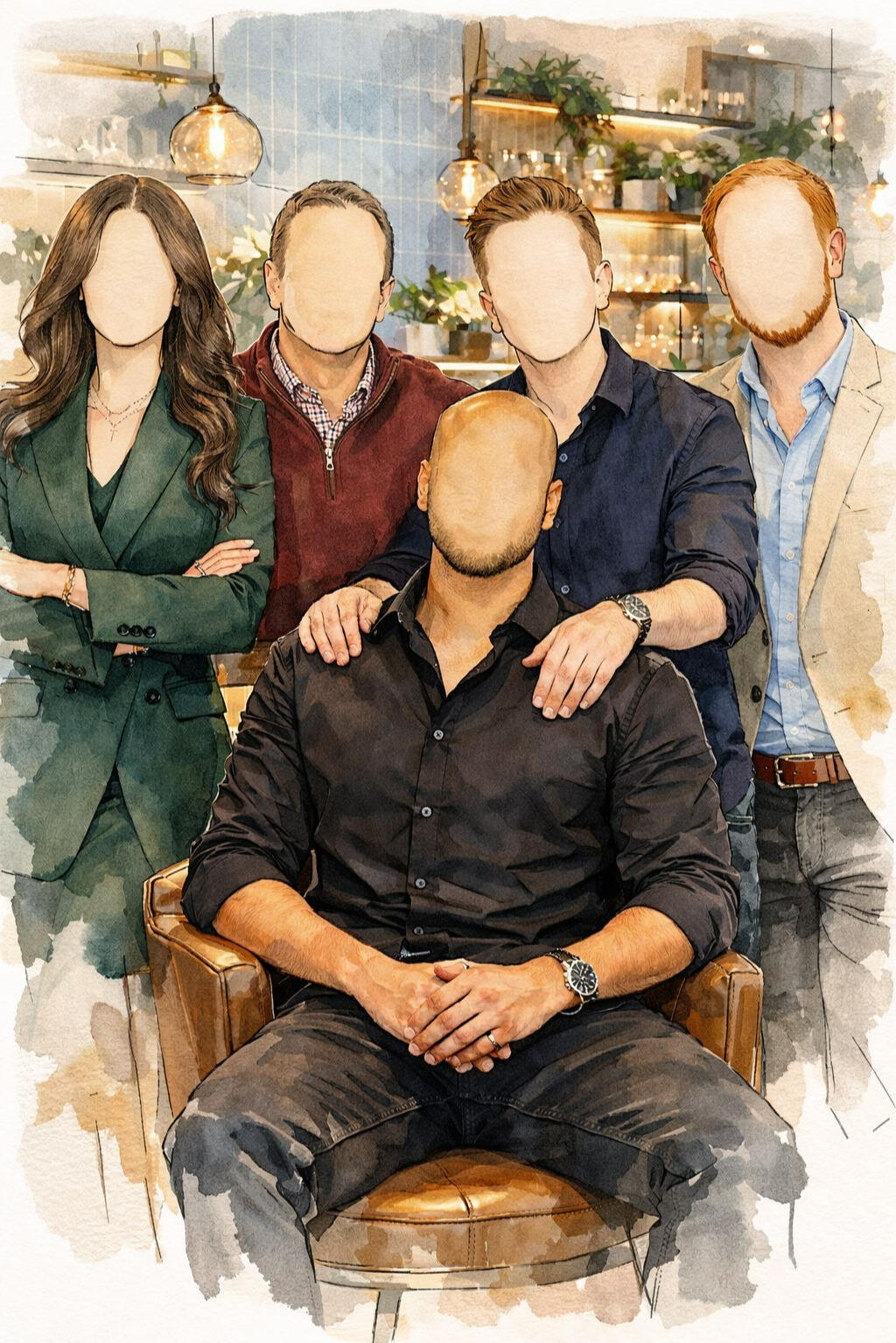
meet the team
Behind the Vision is a team built on lived experience, care, and community. We are people who understand recovery, belonging, and rebuilding from the ground up. Each of us brings different skills — hospitality, creativity, operations, and heart. Together, we are creating spaces where sobriety feels social, not isolating. This isn’t just a project — it’s personal. We believe everyone deserves a place to connect without pressure to drink. And we’re here to build that future, together.
the community we're building...
A sense of belonging, sober.
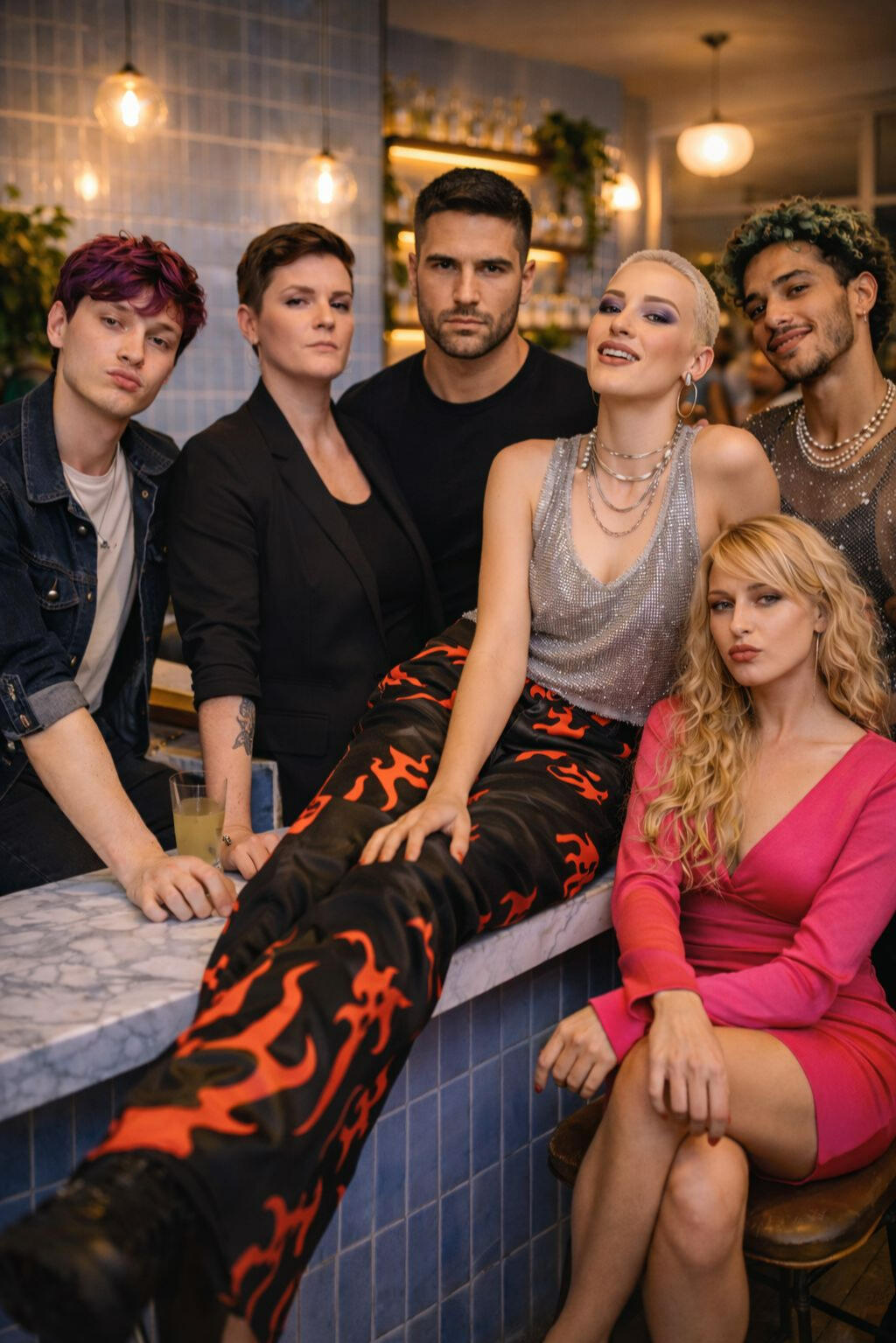
We are building a community-led sober bar that reimagines social spaces without alcohol at the center. We are here for the sober-curious and sober individuals.Our future vision is to reclaim and repurpose traditional pub buildings or bars, preserving their role as places of connection, culture, and belonging while shaping them into inclusive, alcohol-free environments. Pubs have long functioned as important community hubs, particularly within LGBTQI+ history, and we aim to protect that legacy and heritage while making these spaces accessible to people who do not drink.Right now, this vision is being developed through pop-up drop-ins and events in borrowed and temporary venues across London. These allow us to test ideas, build relationships, and grow a community-led model rooted in real participation.
Supporting Creative Arts
we are starting with people, not premises.
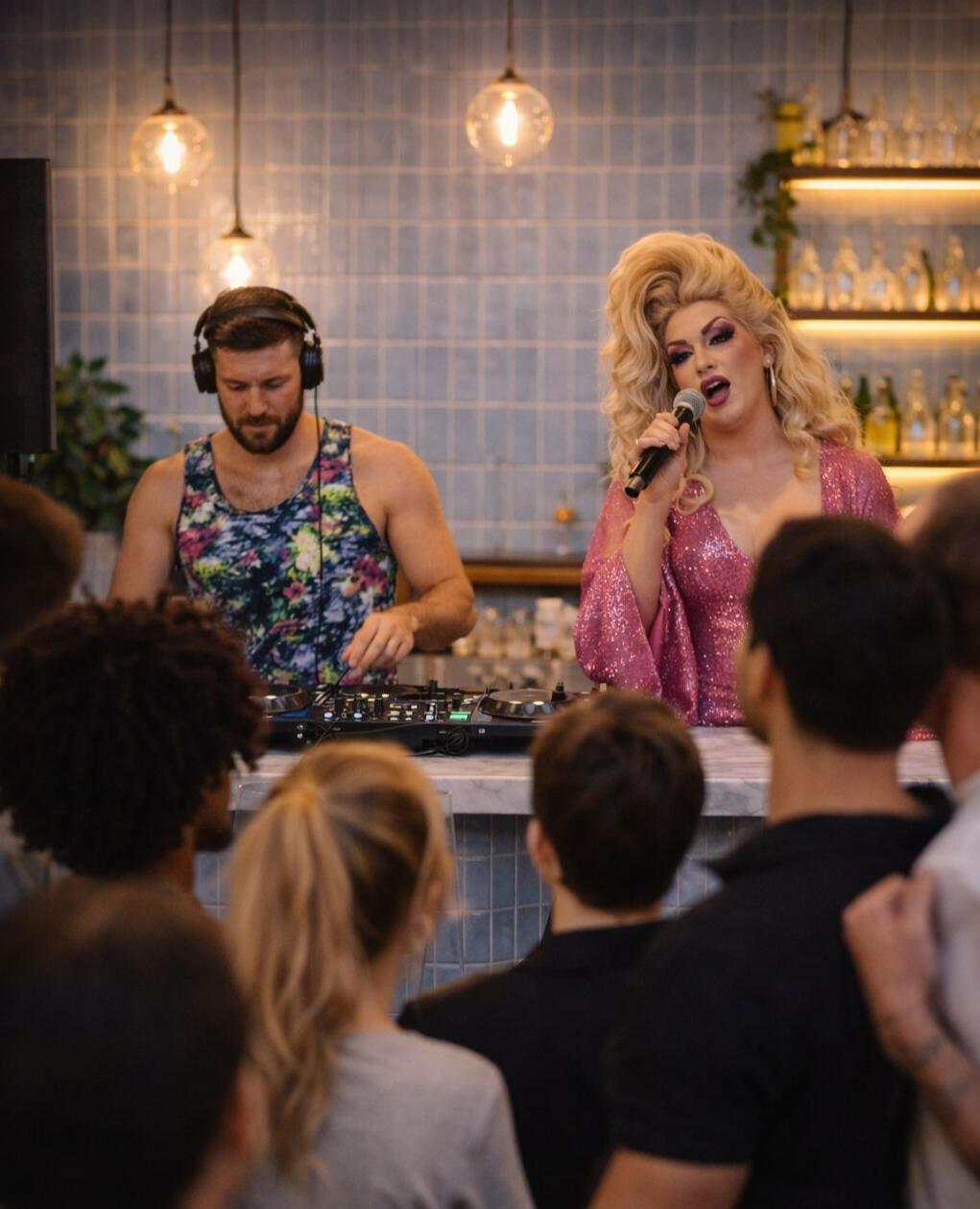
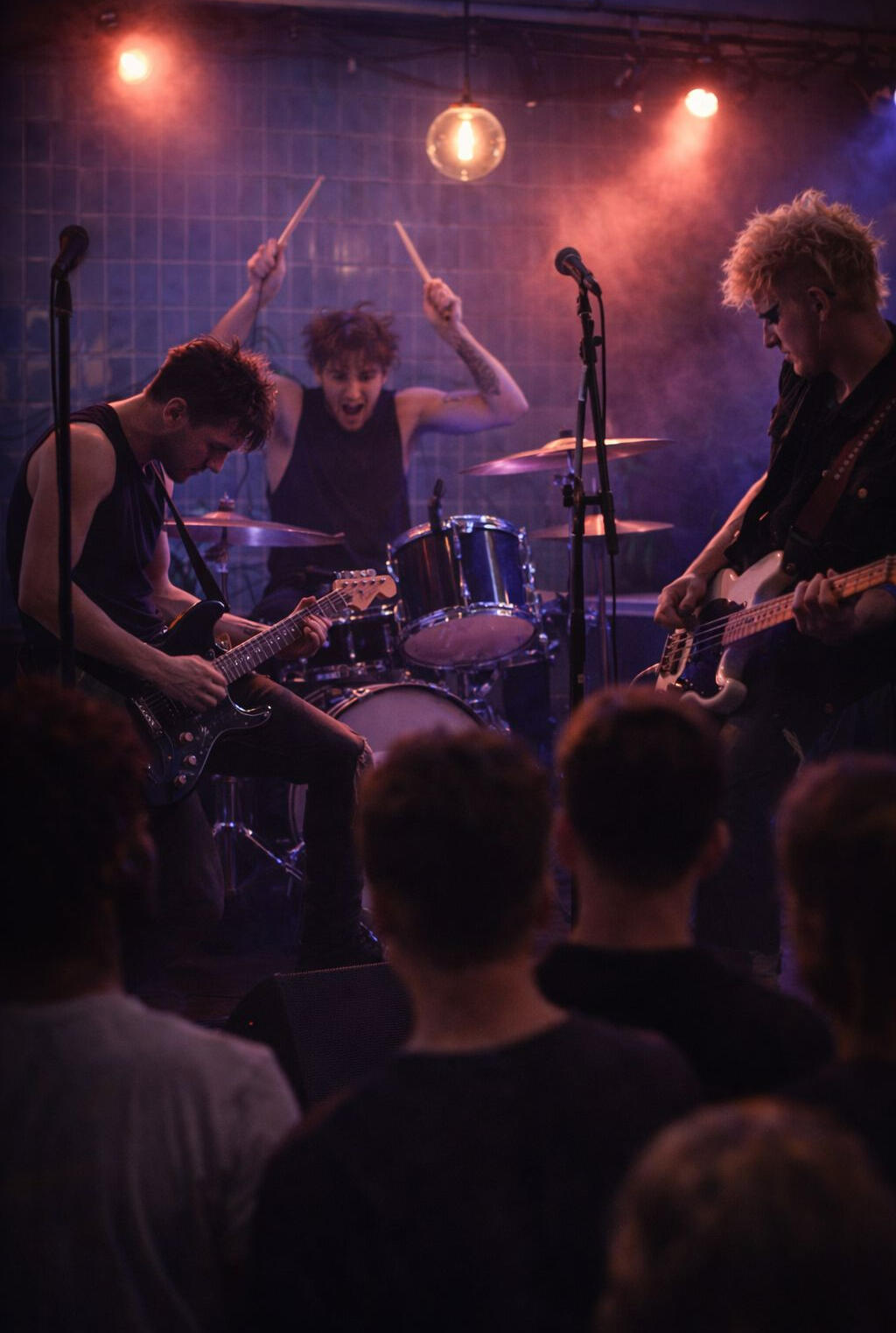
This is who keeps it alive.Queer spaces don’t exist without queer creativity.Drag artists, performers, DJs, musicians, hosts, and creatives are fundamental to queer culture. They bring the joy, the humour, the protest, and the celebration — they bring the life.It ain’t queer if they aren’t there.The Sober Bar London exists to support creative work in alcohol-free spaces, ensuring performers can share their art safely, accessibly, and be paid fairly for their time and talent.As a Community Interest Company, money raised through drinks and events is reinvested into the space — supporting performances, music, karaoke, and opportunities for emerging creatives, including new and upcoming drag artists in London.By centring entertainment and culture in sober spaces, we make sure creativity doesn’t disappear when alcohol does.
Talent and Culture
Community first. building follows.
Creative expression is community lifeblood.The Sober Bar London champions culture not as an add-on, but as one of the core pillars of what makes social spaces meaningful. LGBTQI+ culture has always been animated by creativity — from drag and performance to music, comedy, spoken word, poetry, and nightlife innovation.Yet too often, creative expression, performance practice, and queer cultural work are tied to alcohol environments that not everyone can, wants to, or feels safe participating in.
Founder's Story
It Started From The StreetsI was born on 27th August 2000 at Newham General Hospital in East London.
A British Bangladeshi, Muslim, gay man — raised in the city I still call home.My name is Foyez Jitu, and this is the story behind The Sober Bar London.London shaped me.
But it also tested me.At 19, after coming out, I became estranged and homeless. The safety nets I thought existed disappeared overnight. What followed wasn’t dramatic — it was quiet. Quiet instability. Quiet fear. Quiet survival.When you’re young and alone in a city like London, survival becomes your only priority.
And in many LGBTQ+ spaces, alcohol and drugs are not just present — they are central.What began as coping became dependency.
Alcohol became routine.
Chemsex became normalised.
Substances like GHB and crystal meth blurred the edges of loneliness — until they didn’t.Eventually, injecting marked a turning point.
Not because it was dramatic.
But because I realised I could not continue.I was in and out of work. In and out of stability. In and out of myself.And beneath everything was loneliness.
Not just physical homelessness — but social homelessness.When I began my sobriety journey, inspired by my partner who was already walking his own path, something unexpected happened. I didn’t just lose substances — I lost spaces.The bars I once relied on to feel social no longer felt accessible.
The environments that defined queer connection revolved around alcohol.
Sobriety brought clarity — but it also brought isolation.Research shows LGBTQ+ young people are disproportionately affected by homelessness and substance use, often linked to family rejection and lack of safe community spaces. Yet while recovery services exist, alcohol-free social environments remain rare.I realised something powerful:Sobriety shouldn’t mean disappearance.
Recovery shouldn’t mean isolation.
Choosing not to drink shouldn’t cost you community.I was born in year 2000. I represent a generation navigating identity, culture, faith, queerness, and mental health in new ways. For many young people — sober, sober-curious, or simply seeking alternatives — there are few spaces that feel modern, inclusive, and socially alive without alcohol at the centre.That gap is where The Sober Bar London was born.In January 2026, we formally established The Sober Bar London CIC.
We launched our first Chat & Create session — a simple, intentional gathering focused on connection, creativity, and presence.It wasn’t about recovery.
It wasn’t about preaching sobriety.
It was about option.An alternative.
A space where a 19-year-old version of me wouldn’t have had to choose between drinking and belonging.The Sober Bar London exists because lived experience matters.
Because youth opportunity matters.
Because loneliness matters.We aim not only to create sober social spaces, but to build pathways into hospitality, creative work, volunteering, and skills development — especially for young LGBTQ+ people navigating instability.This is not a story of redemption.
It is a story of responsibility.The streets taught me what happens when connection disappears.
Sobriety taught me what happens when spaces don’t evolve.The Sober Bar London is part of that evolution.This is the beginning of a legacy built not from perfection — but from lived experience, resilience, and the belief that no one should have to choose between survival and belonging.
our mission
This mission sits at the intersection of community wellbeing, heritage preservation, cultural participation, and inclusive leisure — creating a model that is both socially impactful and adaptable to different neighbourhoods and funding streams.The Sober Bar London responds to this challenge by:
• Temporarily activating empty or underused spaces through meanwhile and community use• Piloting alcohol-free pub environments that prioritise wellbeing and accessibility• Building sustainable models for long-term community ownership and use across the country.In the short term, we deliver this mission through pop-ups, drop-ins, and events within existing community spaces across London.This allows us to build evidence, partnerships, and participation while working towards a permanent venue of our own that would benefit the community on a wider level.Our spaces are designed to be welcoming, low-pressure, and multi-use.They include:
• Food and non-alcoholic drink provision (tea, coffee, soft drinks, non-alcoholic cocktails and 0% options)• Social and recreational activity such as darts, pool, chess, table tennis, and games• Cultural programming including music, drag, comedy, open mic, and performance• Opportunities for creative development, work, volunteering, and skills-building
Who are we
Our approach is phased and community-led. In the short term, we work within existing community spaces and borrowed venues, delivering regular drop-ins, events, and cultural activity. This allows us to reach people where they already are, remain accessible, and grow in response to real community need.In the long term, our aim is to establish a permanent LGBTQI+ sober bar — a dedicated premises that reimagines pub culture without alcohol at the centre, while preserving the social role and heritage of LGBTQI+ bars.As a CIC, any income generated through events, drinks, or activities is reinvested back into the project — supporting community programming, creative work, and the sustainability of alcohol-free social spaces.The Sober Bar London is not a bar in the traditional sense. It is a social infrastructure — a place to meet, talk, create, perform, and rebuild a sense of belonging.
Why we exist
But those spaces are often built around alcohol. And when someone chooses sobriety — whether for their health, recovery, culture, or personal reasons — they can lose access to those same connections all over again.Suddenly, there are fewer places to go. Fewer reasons to show up. Fewer ways to stay connected.The Sober Bar London exists because connection shouldn’t disappear when alcohol does.We’re creating spaces where people can meet, spend time together, and belong — without pressure to drink, explain themselves, or perform.
the community we are building
The space we are building is centred on connection, creativity, and shared time. From tea and conversation to music, drag, comedy, and community-led events, the focus is on creating welcoming, low-pressure environments where people can show up as they are.Alongside this, the sober bar offers playful, familiar ways to socialise — including darts, pool, chess, table tennis, and arcade games — providing easy ways to connect without performance or expectation.We also aim to create opportunities for learning and progression, from hospitality and catering skills to hosting events and supporting creative work. As a Community Interest Company, any income generated is reinvested into sustaining the space and the people who contribute to it.This is the blueprint stage: building the space before the walls — so that when a permanent venue is secured, it truly belongs to the community it serves.
the community we are building
The space we are building is centred on connection, creativity, and shared time. From tea and conversation to music, drag, comedy, and community-led events, the focus is on creating welcoming, low-pressure environments where people can show up as they are.Alongside this, the sober bar offers playful, familiar ways to socialise — including darts, pool, chess, table tennis, and arcade games — providing easy ways to connect without performance or expectation.We also aim to create opportunities for learning and progression, from hospitality and catering skills to hosting events and supporting creative work. As a Community Interest Company, any income generated is reinvested into sustaining the space and the people who contribute to it.This is the blueprint stage: building the space before the walls — so that when a permanent venue is secured, it truly belongs to the community it serves.


Volunteer
HELP BUILD THE SOBER BAR LONDON - ONE CONVERSATION AT A TIME.
Bar Hosts are volunteers who help bring The Sober Bar London into local communities — starting with people, not premises.As a Bar Host, you’ll host informal, alcohol-free coffee meet-ups in your local area, using existing cafés and community spaces. These gatherings are relaxed, low-pressure, and open to anyone looking for connection without alcohol.Bar Hosts play a vital role in helping us understand where the need for sober social spaces exists across London.
WHAT DO BAR HOSTS DO?
Bringing people together, soberly.
As a Bar Host, you will:
• Host regular coffee meet-ups in your local area on behalf of The Sober Bar London
• Use local cafés or community spaces (participants pay for their own drinks)
• Welcome people and help create a calm, inclusive environment
• Encourage conversation and connection
• Collect feedback from attendees about their experiences and needs
• Share this feedback with The Sober Bar London team
The information gathered by Bar Hosts helps us:
• Evidence demand for alcohol-free social spaces
• Identify priority areas for future pop-ups and services
• Support funding and grant applications
• Shape future programmes and, eventually, permanent premises
HOW TO GET STARTED...
To become a Bar Host, click below and complete application form to express your interest.We’ll arrange a short onboarding meeting to explain the role, answer any questions, and make sure you feel confident hosting in your area.
After onboarding, you’ll receive a Bar Host Pack, which includes:
• Guidance on setting up a local meet-up
• Tips on choosing accessible, welcoming spaces
• Information on hosting safely and inclusively
• Simple tools for gathering feedback and data
• Clear contact details for ongoing support
This ensures every meet-up is community-led, consistent, and aligned with The Sober Bar London’s values — while still allowing hosts to shape gatherings that reflect their local communities.

Contact
If you’d like to get in touch, please use the form below. Whether you’re interested in getting involved, collaborating, volunteering, hosting events, or sharing ideas and feedback, we’d love to hear from you. The Sober Bar London is a community-led project, and messages from the community help shape how it grows.You can also contact us directly at [email protected]
Thank you
Thank you for getting in touch.We aim to respond to all messages
within 2–3 working days.The Sober Bar London is a community-led social project and is not able to provide crisis, clinical, or emergency support. If you’re in immediate danger or need urgent help, please contact emergency services.If you’re looking for support around alcohol use or mental wellbeing, the following organisations may be helpful:• Samaritans – 116 123 (UK, 24/7)
samaritans.org• NHS 111 OR 999 in an EmergencyHealth support and local services:• Mind – mind.org.uk• Drinkline – 0300 123 1110(alcohol advice and support)• Alcoholics Anonymous (AA) – alcoholics-anonymous.org.uk**If you’re reaching out about community involvement, events, or collaboration, we look forward to reading your message and will be in touch soon.

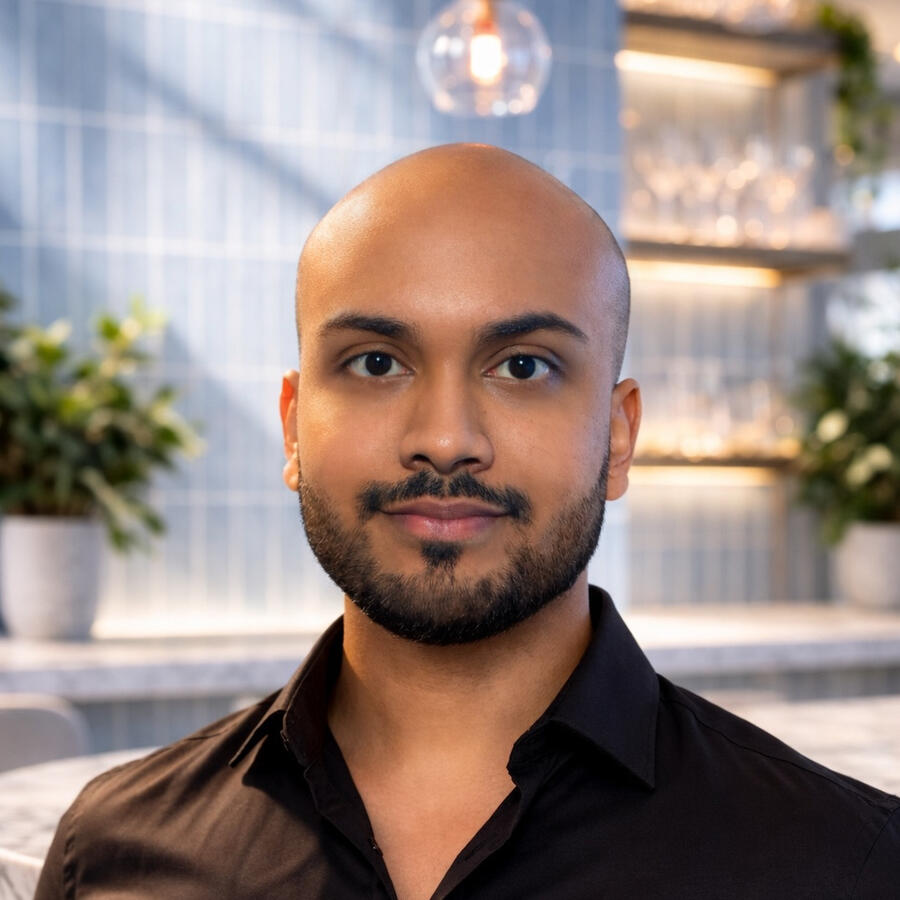
FOYEZ JITU
Founder & CEO
(Director)
Foyez Jitu is the Founder and CEO of Sober Bar London, driven by a passion to create safe, inclusive, substance-free social spaces. With a background in digital production and community engagement, he builds environments that empower people to connect, grow, and thrive without alcohol or drugs. His work focuses on wellbeing, recovery awareness, and redefining nightlife culture through compassion, creativity, and purpose.
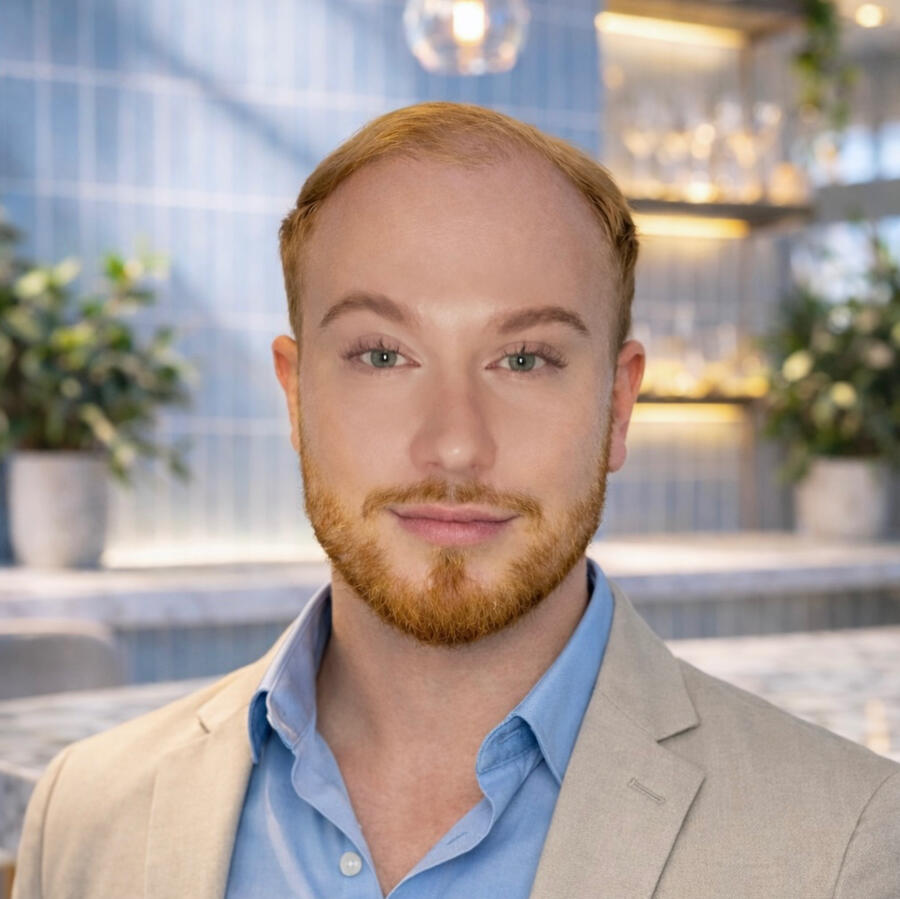
Jordon booth
Health & Safeguarding
(Director)
Jordan is a registered nurse who advises Sober Bar London on health, safety, and safeguarding standards. With clinical experience and a strong understanding of risk management, wellbeing, and duty of care, Jordan supports the development of responsible practices that protect guests and volunteers. Their guidance helps maintain a secure, inclusive, and supportive environment for everyone in the community.
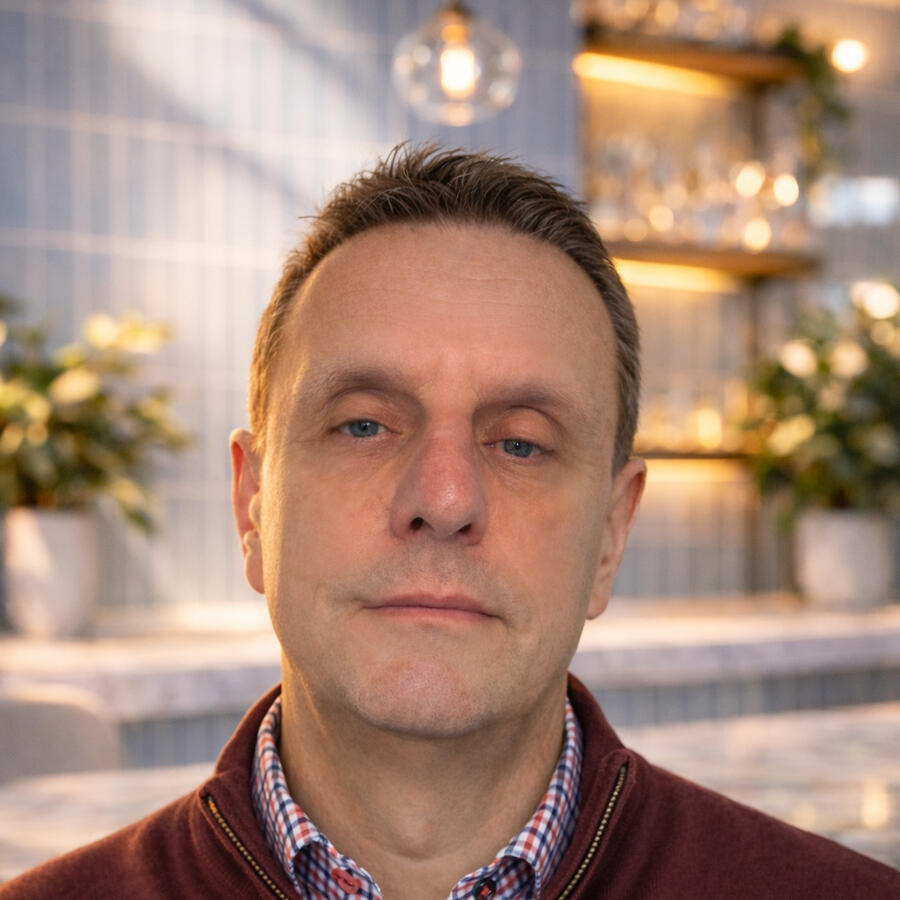
GRAHAM BEECH
Recovery & Community
(Director)
Graham works in the drug and alcohol recovery field and brings valuable community connections to Sober Bar London. He supports outreach initiatives and helps connect individuals in recovery to safe, welcoming spaces. Through peer support, collaboration, and trusted networks, Graham strengthens inclusion and encourages pathways toward sustained wellbeing, confidence, and long-term sober living within the wider community.
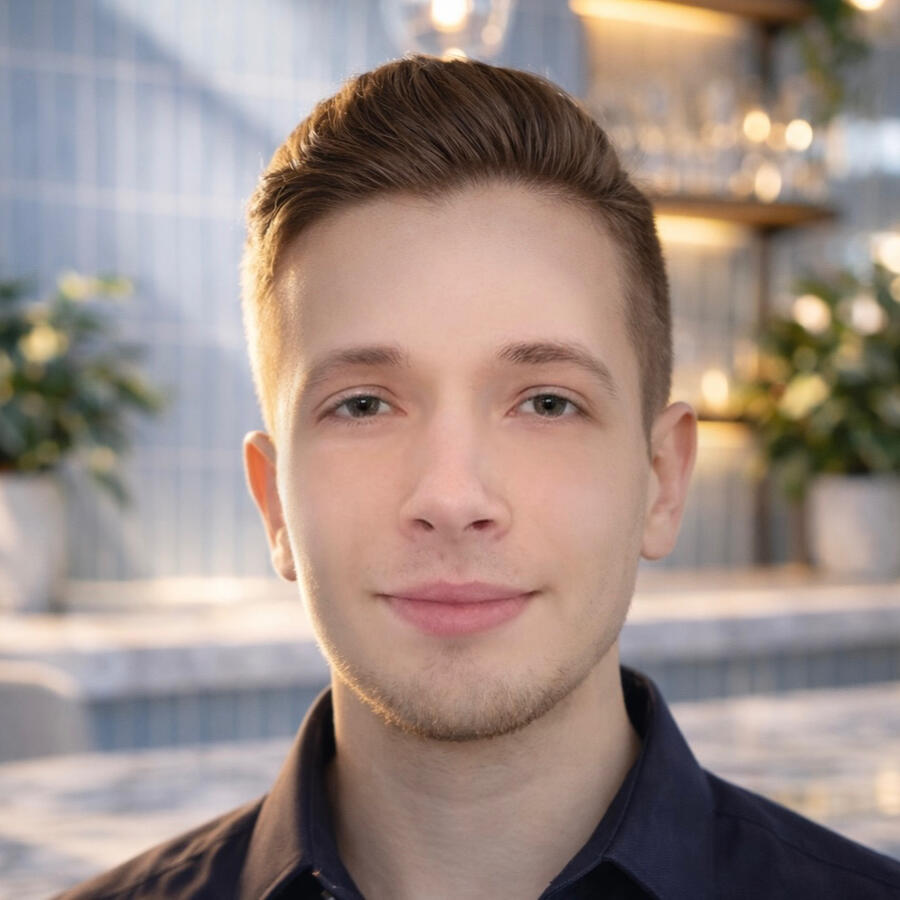
KONSTANTIN SAVELYEV
Operations Manager
(Team/Non-Director)
Konstantin oversees the day-to-day operations of Sober Bar London, ensuring smooth coordination across the team. He manages planning, logistics, and event delivery to maintain consistency and professionalism. With a practical and solutions-focused approach, Konstantin helps create a welcoming, organized, and well-run environment where the community can gather safely, connect confidently, and experience positive, alcohol-free social events.
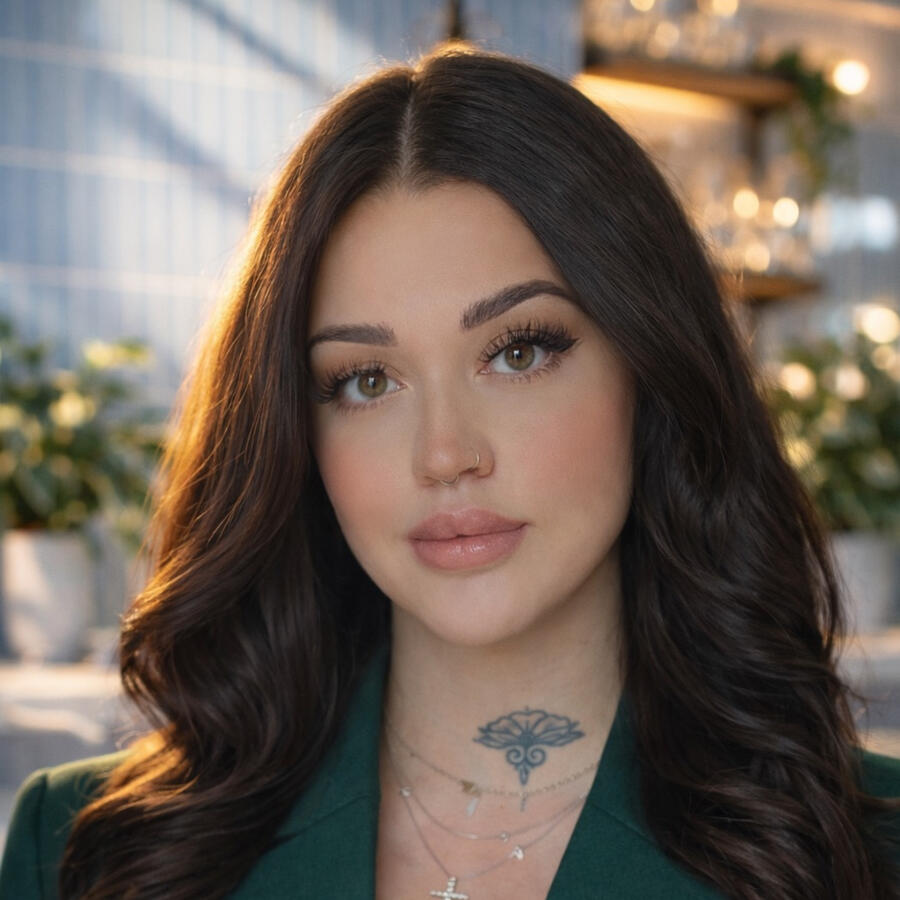
Ellie Kingston
Guest Experience Coordinator
(Team/Volunteer)
Ellie is a valued member of the Sober Bar London support team, offering emotional guidance and peer support to help sustain a safe and compassionate community. She plays an important role in creating a welcoming atmosphere where individuals feel heard, respected, and understood. Through empathy, active listening, and encouragement, Ellie helps foster trust, inclusion, and a supportive sober environment for all who attend.
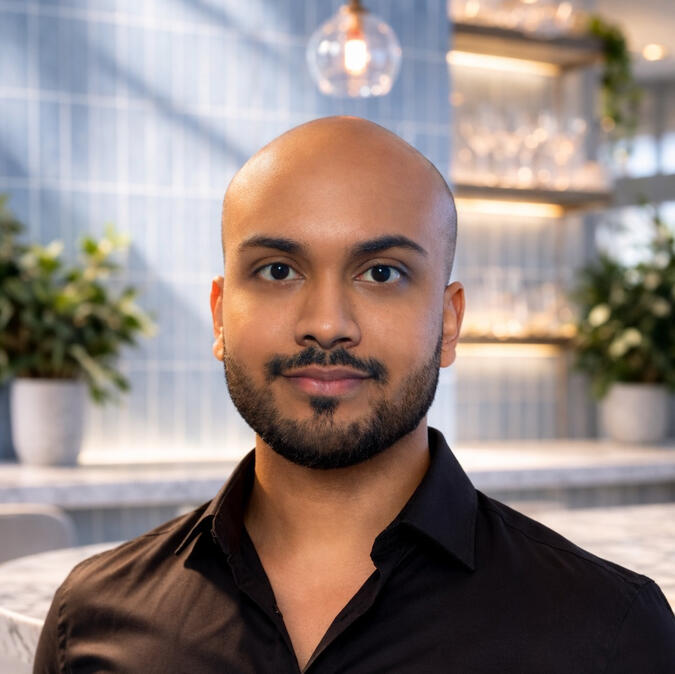
Foyez Jitu
Founder & CEO
Sober Bar London started with a simple but powerful reality: loneliness.When I became sober, I didn’t just lose alcohol — I lost spaces, friendships, and connection. Nightlife, especially within LGBTQ+ culture, often revolves around drinking. When that disappears, so can your sense of belonging. I found myself asking a simple question: Where do sober people go to feel connected, included, and alive?That question became the beginning of Sober Bar London.My journey to that moment was shaped by lived experience. In 2019, after coming out as gay, I became estranged from my family and experienced homelessness. During that time, I saw how fragile stability really is. I experienced hunger, isolation, and the harsh truth that alcohol and drugs were sometimes easier to access than real support. That reality reshaped how I understand dignity, recovery, and community.Then came 2020 — lockdown, silence, and disconnection. Nightlife disappeared, and connection moved into hidden spaces where alcohol and drugs became ways to cope. Like many others, I became part of that environment, believing it was connection, when often it was loneliness in disguise.In 2025, I met my partner Konstantin, who was rebuilding his life through sobriety. Through that, I found the strength to rebuild too. But sobriety revealed something deeper — when alcohol disappears, many social spaces disappear with it. I realised something powerful: people don’t just need sobriety — they need somewhere to belong.That realisation became Sober Bar London.
Not anti-nightlife — but a new version of it.
A café by day. A vibrant, alcohol-free bar by night.
Music. Creativity. Community. Energy.All still alive — just without alcohol controlling the room.A key part of the vision is proving that a sober space can still operate as a real bar, pub, and café. With 0% beers on tap, alcohol-free spirits, and functional drinks, we recreate the familiar pub environment without alcohol. Café and food services provide daily community use and sustainable income, showing sober spaces can be socially impactful and financially viable.These spaces are not only about food and drink — they are about culture, belonging, and shared experience. Sober Bar London provides a platform for creatives, giving space to DJs, musicians, performers, and artists, ensuring they are supported and paid fairly. Music and creative expression remain core foundations of community life.Community connection also extends beyond the venue. Outdoor activities such as walks, nature-based gatherings, and sober social events encourage people to reconnect with movement, wellbeing, and each other. Within our spaces, traditional pub games such as pool and darts help create inclusive, low-pressure social environments that bring people together across age, background, and identity — reinforcing connection, confidence, and community participation.Another core part of the mission is opportunity. Sober Bar London aims to support young people and those out of work through structured training in barista skills, alcohol-free mixology, hospitality, and customer service. These pathways help individuals build confidence, gain real-world experience, and move towards employment, while creating safe and supportive community environments.My experience of homelessness shaped another important part of the vision — stability. I know what hunger feels like, and how essential dignity is in rebuilding life. In the future, Sober Bar London aims to provide affordable meals, food support, and community outreach, recognising that recovery and wellbeing begin with basic needs being met.The long-term vision is also rooted in restoring and reimagining underused community spaces — bringing life back into places that once brought people together, and transforming them into inclusive environments centred on connection, creativity, and wellbeing.Starting through community pop-ups and people-first engagement, the vision is to grow across UK cities — building a network of sober social spaces and community experiences that strengthen belonging, opportunity, and inclusion.Sober Bar London was born from lived experience, loneliness, and a simple belief:
Connection should not depend on alcohol.
Bringing people together, soberly.
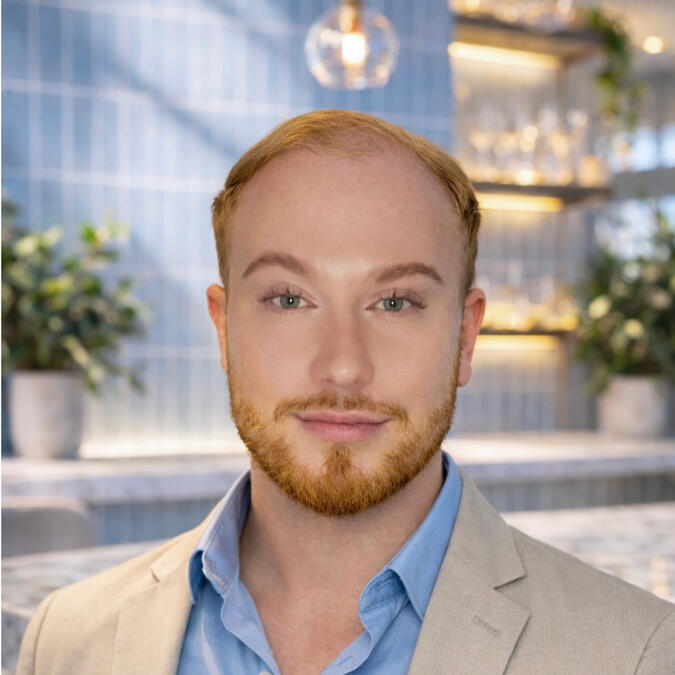
Jordon booth
Health & Safeguarding Director
Growing up in a large family where heavy drinking, blackouts, conflict, and the mixing of alcohol and drugs were a regular part of daily life, this environment felt “normal” to me.With time, experience, and reflection, I came to understand that what I was witnessing was addiction. I saw first-hand the breakdown of relationships, the emotional toll, and the long-term consequences that come with substance misuse — including mental health struggles, loss, isolation, and exclusion.I lost my sister, Sheree, to alcoholism, and her partner also passed away from alcohol-related complications. My mother is now in recovery, as is my uncle. Addiction has shaped my family’s story in ways that are painful, complex, and impossible to ignore. It is not something I speak about lightly, but it is something that deeply motivates and drives me.Because of these experiences, I do not approach sobriety from a place of judgement. I understand how layered and personal addiction can be. I recognise how grief, trauma, culture, identity, and belonging can intersect with alcohol use, and how harm can often be hidden behind what society labels as “normal” social behaviour. This is why being part of Sober Bar London is so important to me.For many people — particularly within LGBTQIA+ communities — nightlife has historically been a place of safety, identity, and connection. However, it has often been centred around alcohol. I do not believe alcohol is inherently bad, and this space is not about policing people’s choices. Instead, it is about creating meaningful alternatives. It is about building spaces where people who are sober, sober-curious, in recovery, or simply choosing not to drink can still feel included, valued, and connected.While Sober Bar London is rooted in LGBTQIA+ community understanding and the importance of queer-led safe spaces, it is not exclusionary. Anyone who shares our values of respect, safety, and inclusion is welcome. At its core, this initiative is about creating a sense of belonging without pressure or expectation.Professionally, I am a Registered Nurse, working within healthcare where I see first-hand how isolation, mental health challenges, and substance use intersect. Safeguarding, accountability, and holistic wellbeing are central to my daily practice. I understand the importance of psychological safety as much as physical safety, and I bring experience in clinical awareness, risk assessment, trauma-informed approaches, professional boundaries, and governance.As Director for Health & Safeguarding, my role is to help ensure that Sober Bar London grows in a way that is responsible, ethical, and rooted in care. This includes developing and maintaining strong safeguarding frameworks, promoting a safe and supportive environment, and ensuring that wellbeing remains at the heart of the organisation. My aim is to help build a space where people feel secure, respected, and genuinely supported — a space where community, dignity, and care come first.
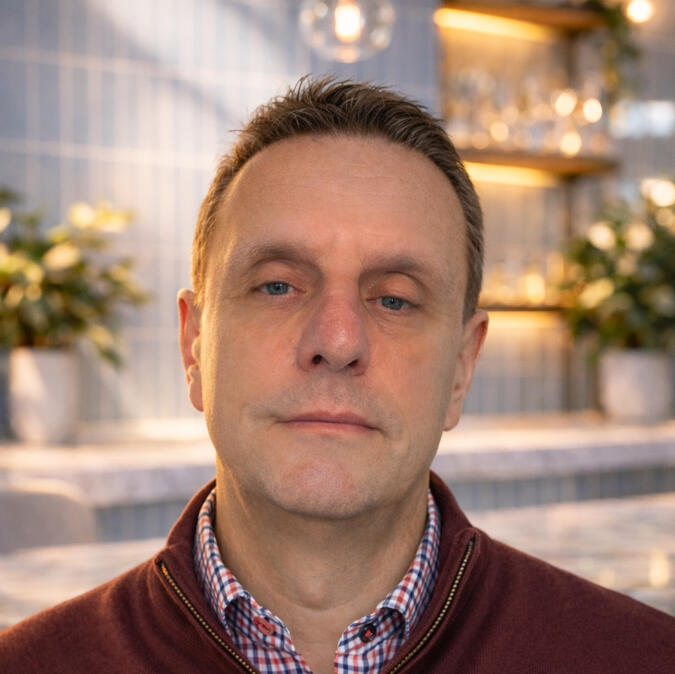
Graham Beech
Recovery & Community Director
My journey with recovery began nearly three decades ago. For much of my early life, I always had a strong feeling that drinking was not right for me, yet I found it difficult to socialise without alcohol. I would avoid events unless drink was involved, and over time alcohol became something I depended on rather than something I enjoyed.In February 1995, I reached a turning point and went to my doctor, who referred me to drug and alcohol services.Over the following two years, I experienced the reality of addiction first-hand — going through four detoxes and spending three months in residential rehabilitation in Weston-super-Mare.In 1997, after losing my job in advertising, I reached my lowest point. That moment became the wake-up call that helped me recognise I needed real change and support.Recovery did not happen alone. Connecting with like-minded people through a 12 Step fellowship played a crucial role in helping me rebuild my life. I have now been sober for 29 years, and community, understanding, and shared experience continue to be powerful forces for change.Having lived through addiction myself, I understand how difficult it can be to stop drinking and how important it is to have somewhere safe to go — somewhere you will be listened to, understood, and supported without judgement.Recovery is not just about stopping drinking; it is about rebuilding confidence, purpose, and connection.Today, I work professionally within drug and alcohol services, supporting individuals on their own recovery journeys. My work focuses on guiding service users through challenges, encouraging positive change, and helping people find healthier ways to manage addiction and rebuild their lives. Supporting others through recovery is not just my profession — it is something deeply personal to me.Through Sober Bar London, I bring both lived and professional experience to help create spaces where people feel supported, understood, and connected. Community is at the heart of recovery, and this project aims to provide environments where individuals can build confidence, develop relationships, and feel part of something positive.For me, recovery is proof that change is possible. With the right support, understanding, and environment, people can rebuild their lives — one step at a time.
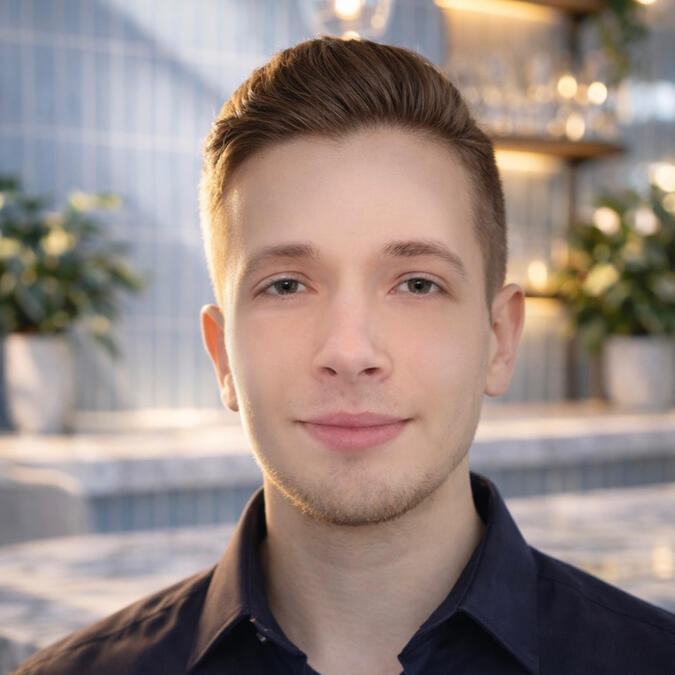
KONSTANTIN SAVELYEV
Operations Manager
I came to the UK as an international student, where I completed my Master’s degree in Adult Education for Social Change and began building my life in a new country. Adapting to a different culture taught me resilience, independence, and the importance of community.My professional journey developed within the hospitality sector, where I gained experience across both fast-paced service environments and later within high-end, five-star establishments in London. These roles strengthened my communication skills, professionalism, and understanding of operations, teamwork, and people-focused service.Like many people navigating life in a new country, I experienced periods of loneliness and disconnection. In the UK, social life often revolves around drinking — after work, in social settings, and across nightlife culture. Seeking belonging, I became part of environments where alcohol was central, including within parts of the LGBTQ+ community. Over time, I recognised that this lifestyle was affecting my health, stability, and wellbeing.Choosing sobriety became a turning point in my life. I have now been sober for nearly two years and live a more balanced and grounded life. This journey reshaped my perspective, reinforcing my belief that change is always possible when people are supported with the right environment and opportunities.Through this journey, I met Foyez. Our shared experiences of sobriety, rebuilding, and searching for connection brought us together and led to a shared vision — creating spaces where people can belong without pressure to drink. This vision became Sober Bar London.Within the organization, my focus is on Event and Operations, ensuring that the project runs effectively while maintaining strong community engagement.My role involves supporting structure, coordination, and people-focused processes, helping create environments where individuals feel welcomed, respected, and supported. My background in education for social change influences my approach — focusing on empowerment, inclusion, and real-world opportunity.I am particularly passionate about supporting young people and individuals seeking direction. Encouraging confidence, supporting employment pathways, and helping people develop practical skills are key parts of the mission. Through structured training, supportive engagement, and community connection, I aim to contribute to building spaces where people feel valued and capable of growth.For me, Sober Bar London represents more than a project — it represents rebuilding, belonging, and community. A space where people can feel safe, respected, and part of something meaningful.
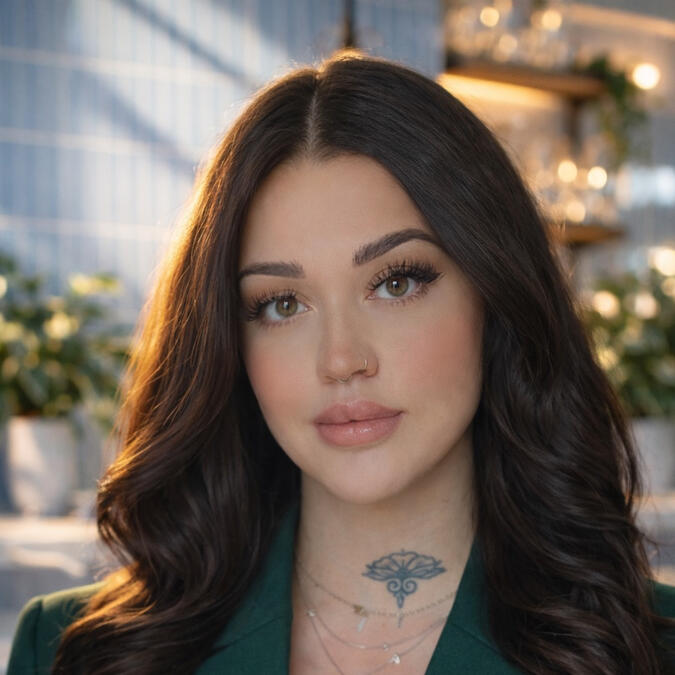
Ellie Kingston
Guest Experience Coordinator
For much of my life, alcohol was something I saw around me — in social spaces, in coping, and in everyday environments where drinking was often normalised. Growing up, I watched people close to me use alcohol as a way to manage emotions and escape difficult moments. Over time, I came to understand how deeply it can affect wellbeing, relationships, and self-worth. Today, my mum is sober, and her journey has been an important reminder that change, healing, and recovery are always possible.For a period of my own life, I also used alcohol as a way to cope — a way to escape when I felt overwhelmed, empty, or out of control. What began as an outlet gradually shaped how I responded to emotions. I often found myself drinking not for enjoyment, but to try to fill a space inside that never seemed to stay full.Becoming aware of this pattern led me to begin my own journey — not through strict labels, but through reflection and intention. Today, I describe myself as sober-curious — learning to build a healthier relationship with myself, becoming more present, grounded, and finding more supportive ways to manage emotions rather than avoid them. My journey is rooted in self-awareness, growth, and emotional wellbeing.Through both lived experience and past involvement in wellbeing-focused environments, I developed a strong understanding of how important safe, non-judgemental spaces are for individuals navigating emotional challenges. Early support, compassionate listening, and feeling understood can make a significant difference in someone’s wellbeing and confidence.Within Sober Bar London, I contribute in a Guest Experience Corordinating role, helping shape safe, inclusive, and supportive environments where people feel comfortable and respected. My focus is on promoting emotional wellbeing, encouraging positive connection, and supporting a culture grounded in empathy, awareness, and care. Safeguarding and psychological safety are important principles within this approach, ensuring individuals feel supported and heard.I am currently involved on a voluntary basis, supporting the development of the organisation and its community-focused values. For me, this work is personal — it is about helping create spaces where people feel safe, understood, and able to grow, while continuing my own journey of learning and self-awareness.


